Top Diet Strategies to Combat Insulin Resistance
Understanding Insulin Resistance
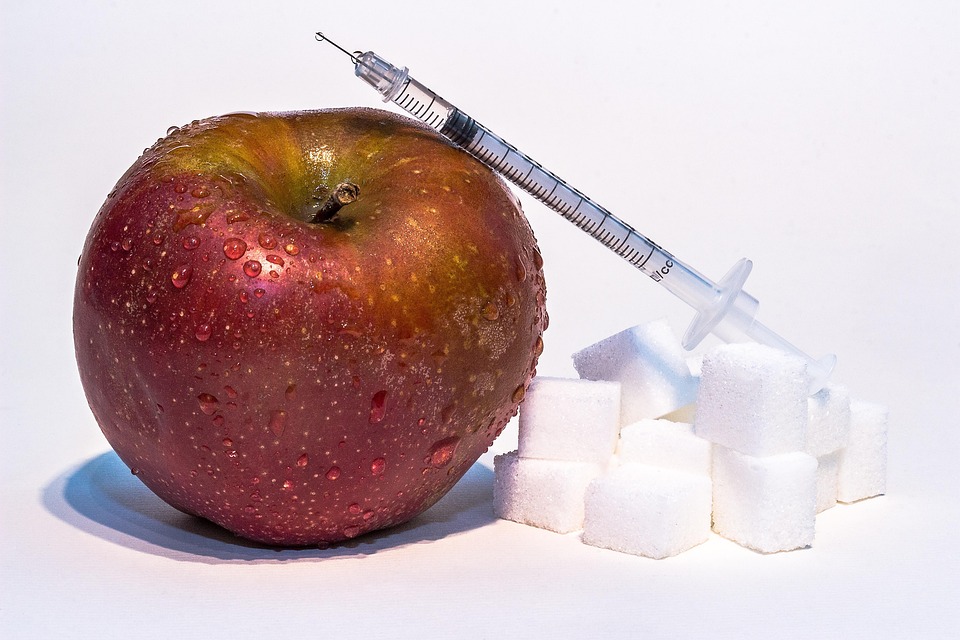
Insulin resistance is a condition where the body’s cells become less responsive to the hormone insulin, which plays a crucial role in regulating blood sugar levels. When cells resist insulin’s effects, glucose remains in the bloodstream, leading to elevated blood sugar levels and, over time, potentially developing into type 2 diabetes. This condition is often linked to obesity, sedentary lifestyles, and poor dietary habits.
The growing prevalence of insulin resistance and its associated health risks necessitate effective strategies for management and prevention. One of the most impactful ways to tackle insulin resistance is through diet. This article will explore the top diet strategies to combat insulin resistance, focusing on whole foods and balanced nutrition.
Emphasizing Low Glycemic Index Foods
The glycemic index (GI) measures how quickly foods containing carbohydrates raise blood glucose levels. Foods with a low GI are digested and absorbed more slowly, resulting in a gradual rise in blood sugar levels. Consuming low GI foods can help prevent spikes in blood sugar and improve insulin sensitivity.
**Key Low GI Food Choices:**
– Whole grains such as quinoa, barley, and oats
– Legumes like lentils, chickpeas, and black beans
– Non-starchy vegetables including broccoli, spinach, and kale
– Fruits such as berries, cherries, and apples
By focusing on low GI foods, individuals can better manage their blood sugar levels and reduce the risk of insulin resistance.
Incorporating Healthy Fats
Healthy fats are essential for maintaining cellular function and can improve insulin sensitivity. Incorporating sources of monounsaturated and polyunsaturated fats into the diet can help manage insulin resistance.
**Sources of Healthy Fats:**
– Avocados
– Nuts and seeds (e.g., almonds, walnuts, and chia seeds)
– Olive oil and canola oil
– Fatty fish like salmon, mackerel, and sardines
These foods not only provide essential fatty acids but also support heart health and reduce inflammation, further benefiting those with insulin resistance.
Prioritizing Fiber-Rich Foods
Dietary fiber is known to slow down the digestion and absorption of carbohydrates, which can lead to more stable blood sugar levels. A diet high in fiber has been associated with improved insulin sensitivity and a reduced risk of developing type 2 diabetes.
**Fiber-Rich Options:**
– Whole grains (e.g., brown rice, whole wheat pasta)
– Vegetables (e.g., Brussels sprouts, carrots)
– Fruits (e.g., pears, oranges)
– Legumes (e.g., lentils, beans)
Increasing fiber intake can also contribute to weight management, which is crucial for individuals dealing with insulin resistance.
Reducing Refined Carbohydrates and Sugars
Refined carbohydrates and sugars can cause rapid spikes in blood sugar levels, exacerbating insulin resistance. Limiting foods high in added sugars and refined grains can significantly improve insulin sensitivity.
**Foods to Avoid:**
– Sugary drinks (e.g., soda, fruit juices)
– Processed snacks (e.g., chips, cookies)
– White bread and pastries
– Candy and desserts
Opting for whole food alternatives and sweetening foods naturally with fruits can help mitigate the impacts of refined sugars on insulin resistance.
Including Lean Proteins
Lean proteins are essential for maintaining muscle mass and supporting metabolic functions. They can also aid in satiety, preventing overeating and helping manage weight.
**Sources of Lean Protein:**
– Poultry (e.g., chicken, turkey)
– Fish and seafood
– Plant-based proteins (e.g., tofu, tempeh)
– Legumes and beans
Incorporating lean proteins into meals can support a balanced diet and contribute to improved insulin sensitivity.
Mindful Eating Practices
Beyond specific food choices, how we eat can also impact insulin resistance. Practicing mindful eating involves paying attention to hunger cues, eating slowly, and savoring each bite. This approach can prevent overeating and promote better digestion, both of which are beneficial for managing insulin resistance.
**Tips for Mindful Eating:**
– Eat without distractions (e.g., turn off the TV, put away the phone)
– Chew food thoroughly
– Listen to your body’s hunger and fullness signals
– Enjoy meals with others to enhance the eating experience
Mindful eating encourages a healthier relationship with food and supports dietary strategies aimed at combating insulin resistance.
Hydration and Its Role
Staying well-hydrated is crucial for overall health and can influence how the body processes sugar. Drinking adequate water throughout the day can support metabolic processes and help maintain stable blood sugar levels.
**Hydration Tips:**
– Aim for at least 8-10 cups of water daily
– Opt for water over sugary drinks
– Include herbal teas and infused water for variety
Proper hydration aids in digestion and can enhance the body’s ability to manage insulin effectively.
Conclusion
Insulin resistance is a significant health concern that requires a proactive approach to prevention and management. By adopting these top diet strategies—emphasizing low glycemic index foods, incorporating healthy fats, prioritizing fiber-rich foods, reducing refined carbohydrates, including lean proteins, practicing mindful eating, and maintaining hydration—individuals can improve insulin sensitivity and reduce the risk of developing type 2 diabetes.
A balanced diet, alongside regular physical activity and lifestyle modifications, forms the cornerstone of managing insulin resistance. By making informed dietary choices and fostering healthy eating habits, individuals can take control of their health and pave the way for a future free from the complications associated with insulin resistance.
#ChatGPT assisted in the creation of this article.











Post Comment