Effective Vitamin D Deficiency Treatments for Optimal Health
Understanding Vitamin D Deficiency
Vitamin D, often referred to as the “sunshine vitamin,” plays a critical role in maintaining bone health, supporting immune function, and regulating inflammation. Despite its importance, vitamin D deficiency is a common global health issue. The deficiency arises when there is inadequate exposure to sunlight, poor dietary intake, or issues with absorption or conversion in the body.
Symptoms and Risks of Vitamin D Deficiency
Vitamin D deficiency can manifest through a variety of symptoms, including fatigue, bone pain, muscle weakness, mood changes, and in severe cases, osteoporosis. Long-term deficiency can increase the risk of chronic diseases such as cardiovascular disease, diabetes, and certain cancers. Recognizing these symptoms early and taking preventive steps is essential for maintaining optimal health.
Diagnosis of Vitamin D Deficiency
Diagnosing vitamin D deficiency involves measuring serum levels of 25-hydroxyvitamin D through a blood test. Levels below 20 ng/mL are typically considered deficient, while levels between 20-30 ng/mL indicate insufficiency. It’s important to consult with a healthcare provider to interpret these results accurately and determine the best course of action.
Effective Treatments for Vitamin D Deficiency
Treating vitamin D deficiency involves a combination of sunlight exposure, dietary changes, and supplementation. Let’s explore these treatments in detail:
Sunlight Exposure
Sunlight is a natural and abundant source of vitamin D. When UVB rays from the sun strike the skin, they trigger the synthesis of vitamin D. To optimize vitamin D production, aim for 10-30 minutes of midday sun exposure several times a week, depending on skin type, location, and season. However, it is important to balance sun exposure with the risk of skin cancer; using a broad-spectrum sunscreen after an initial brief exposure is advisable.
Dietary Sources of Vitamin D
Incorporating vitamin D-rich foods into your diet is another effective strategy. Foods naturally high in vitamin D include fatty fish like salmon, mackerel, and sardines, as well as fish liver oils. Egg yolks and beef liver also contain small amounts. Many foods, such as milk, orange juice, and cereals, are fortified with vitamin D, providing an additional source of this essential nutrient.
Vitamin D Supplements
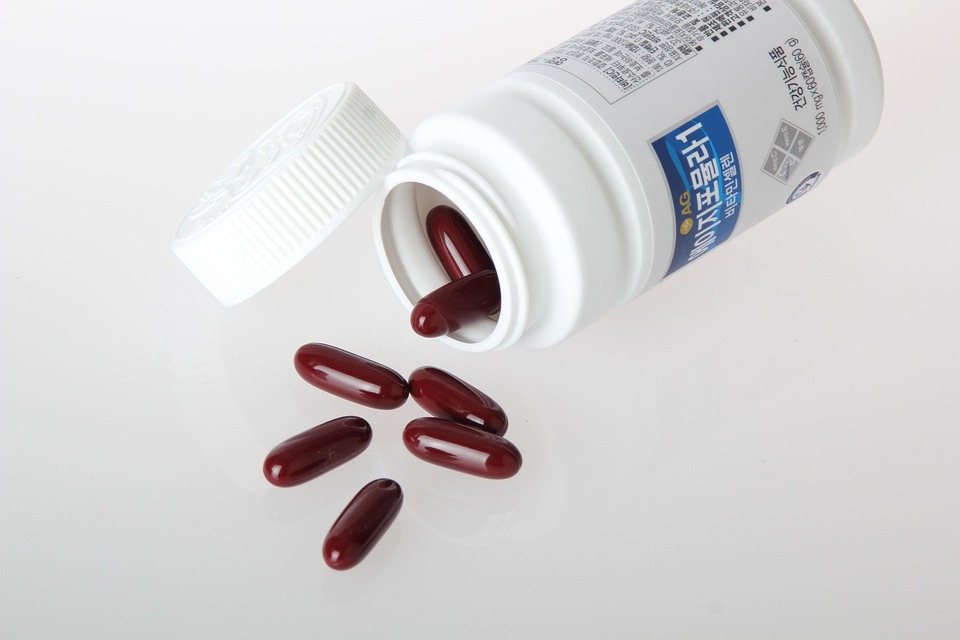
When natural sources are insufficient, vitamin D supplements can be a practical and effective solution. They are available in two forms: vitamin D2 (ergocalciferol) and vitamin D3 (cholecalciferol). Vitamin D3 is generally considered more effective at raising and maintaining overall vitamin D levels. The recommended dosage of vitamin D supplements can vary based on age, sex, and specific health needs but typically ranges from 800 to 2000 IU per day. It is crucial to consult with a healthcare provider before beginning any supplementation regimen to determine the appropriate dosage and to avoid toxicity.
Lifestyle and Dietary Considerations
Beyond sunlight exposure and supplementation, certain lifestyle and dietary adjustments can enhance vitamin D absorption and utilization:
Maintain a Balanced Diet
Ensure your diet includes adequate amounts of calcium and magnesium, as these minerals work synergistically with vitamin D to support bone health. Leafy greens, nuts, seeds, and dairy products are excellent sources of these nutrients.
Manage Body Weight
Obesity is linked to lower vitamin D levels due to the sequestration of the vitamin in adipose tissue. Maintaining a healthy weight through regular exercise and a balanced diet can improve vitamin D status.
Limit Alcohol and Smoking
Excessive alcohol consumption and smoking can impair vitamin D metabolism and should be limited to improve overall health and vitamin D levels.
Monitoring and Adjusting Treatment
Regular monitoring of vitamin D levels is essential for individuals undergoing treatment for deficiency. Follow-up blood tests can help assess the effectiveness of the intervention and guide any necessary adjustments. It’s important to maintain open communication with a healthcare provider to ensure that vitamin D levels remain within the optimal range.
Conclusion
Effective management of vitamin D deficiency involves a multifaceted approach that includes sunlight exposure, dietary improvements, and supplementation. By understanding the symptoms, risks, and treatment options, individuals can take proactive steps to maintain optimal vitamin D levels and support overall health. As with any nutritional intervention, consulting with healthcare professionals is crucial to tailor treatments to individual needs and ensure safe and effective outcomes.
#ChatGPT assisted in the creation of this article.













Post Comment