Mastering Kidney Disease: The Ultimate Diet Guide
Introduction
Kidney disease is a critical health condition that affects millions of people worldwide. The kidneys play a vital role in filtering waste and excess fluids from the blood, maintaining a balance of electrolytes, and regulating blood pressure. When the kidneys are compromised, their ability to perform these functions effectively is diminished, leading to various health issues. While medical treatments are crucial, diet is an essential component of managing kidney disease. This article serves as the ultimate guide to mastering kidney disease through dietary choices.
Understanding Kidney Disease
Before delving into dietary strategies, it’s important to understand what kidney disease entails. Chronic kidney disease (CKD) is characterized by a gradual loss of kidney function over time. It ranges from mild damage, where the kidneys continue to work, to severe damage requiring dialysis or kidney transplant. Common causes of CKD include diabetes, high blood pressure, and glomerulonephritis.
Stages of Kidney Disease
Kidney disease progresses through five stages, with Stage 1 indicating mild damage and Stage 5 representing kidney failure. Dietary needs vary depending on the stage, emphasizing the need for personalized nutritional guidance.
The Role of Diet in Kidney Health
Diet plays a pivotal role in managing kidney disease by slowing its progression, preventing complications, and enhancing overall quality of life. The kidneys are responsible for filtering waste produced from food metabolism. A well-planned diet reduces the workload on the kidneys.
Key Nutritional Focus Areas
- Protein Management: The body needs protein for growth and repair, but excess protein can strain the kidneys. Opt for high-quality protein sources and control portion sizes.
- Sodium Reduction: Excessive sodium intake can elevate blood pressure, worsening kidney function. Aim for a low-sodium diet by avoiding processed foods and adding fresh herbs to meals for flavor.
- Potassium Control: While potassium is essential for nerve and muscle function, too much can be harmful for those with kidney disease. Monitor potassium levels, especially in fruits and vegetables.
- Phosphorus Limitation: Damaged kidneys struggle to balance phosphorus levels, leading to bone and heart problems. Choose foods with low phosphorus content and avoid phosphate additives.
- Fluid Management: In advanced kidney disease, fluid retention can be a problem. Regulate fluid intake based on the stage of kidney disease and individual needs.
Building the Ultimate Kidney-Friendly Diet
Creating a kidney-friendly diet involves careful planning and consultation with a healthcare provider or dietitian. Here are some general guidelines and food recommendations:
Protein Choices
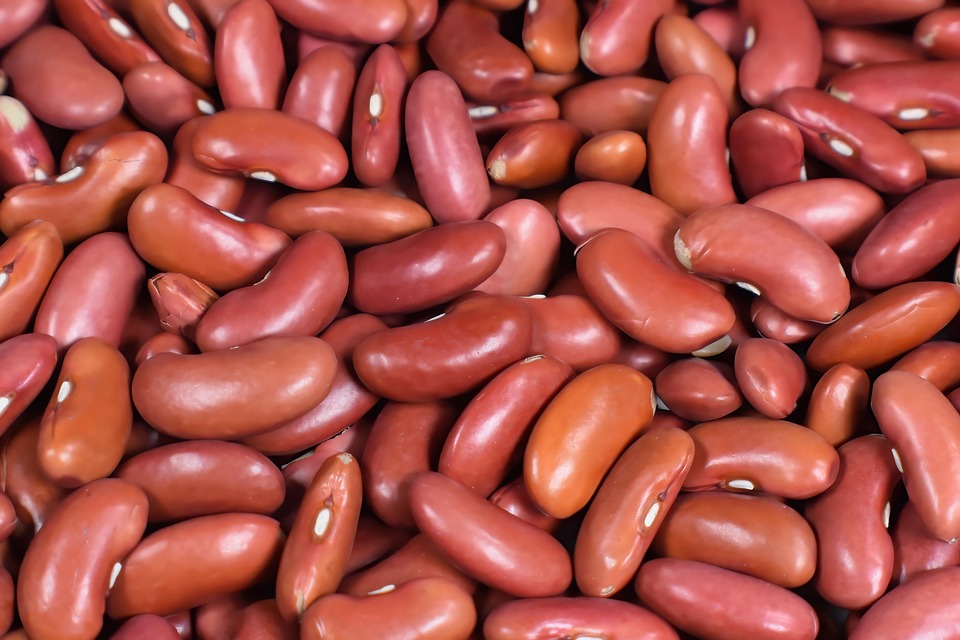
Opt for lean meats, poultry, and fish in controlled portions. Plant-based proteins like beans and lentils can be included, but portions must be monitored. Eggs and low-fat dairy are also suitable options.
Fruits and Vegetables
Fruits and vegetables are essential for a balanced diet. However, individuals with kidney disease should choose lower-potassium options such as apples, berries, grapes, and cauliflower. Cooking techniques like boiling can reduce potassium levels.
Grains and Cereals
Whole grains are generally recommended for a healthy diet, but those with kidney disease should opt for refined grains like white bread and rice to minimize phosphorus and potassium intake.
Fats and Oils
Include healthy fats such as olive oil, canola oil, and avocados. Limit saturated and trans fats found in fried foods and baked goods.
Beverages
Water is the best choice, but fluid intake should be regulated. Avoid sugary drinks, sodas, and beverages high in phosphorus like colas. Consult with a healthcare provider for personalized fluid recommendations.
Meal Planning and Preparation
Planning meals in advance helps ensure adherence to dietary recommendations. Here are some tips for meal planning and preparation:
Plan Balanced Meals
Ensure each meal includes a balance of protein, grains, and vegetables. Use a plate model to visualize portion sizes and macronutrient distribution.
Cook Wisely
Choose cooking methods like grilling, baking, steaming, or boiling to retain nutrients and reduce the need for added fats and sodium.
Experiment with Herbs and Spices
Enhance flavors without salt by using herbs, spices, lemon juice, and vinegar. Experiment with combinations to discover new taste profiles.
Read Labels
Become proficient in reading food labels to check for sodium, phosphorus, and potassium content. Avoid foods with phosphate additives.
Special Considerations
While the above guidelines provide a general framework, individual dietary needs vary based on the stage of kidney disease and other health factors. Consulting with a registered dietitian or nephrologist is essential for personalized advice.
Diabetes and Kidney Disease
For those with diabetes and kidney disease, controlling blood sugar levels is critical. This may involve adjusting carbohydrate intake and monitoring blood sugar levels regularly.
Managing Comorbid Conditions
Many individuals with kidney disease also have other health conditions such as cardiovascular disease. A heart-healthy diet low in saturated fats and cholesterol complements kidney-friendly eating.
Conclusion
Mastering kidney disease through diet requires dedication and informed choices. By understanding the impact of various nutrients on kidney health and making strategic dietary modifications, individuals with kidney disease can enhance their quality of life and slow disease progression. Collaboration with healthcare professionals ensures that dietary decisions are personalized and effective. With the right approach, a kidney-friendly diet becomes a powerful tool in managing this complex condition.
#ChatGPT assisted in the creation of this article.











Post Comment