Optimize Liver Health: Essential Nutrition Tips Revealed
Optimize Liver Health: Essential Nutrition Tips Revealed
The liver, often overlooked, plays a critical role in maintaining overall health. As the body’s detoxifier, it processes nutrients, filters blood, metabolizes drugs, and produces essential proteins. Ensuring optimal liver health is crucial for preventing chronic diseases and maintaining vitality. This article explores key nutritional strategies to support liver function and enhance overall well-being.
Understanding the Liver’s Role in Health
The liver is one of the largest and most vital organs, performing over 500 essential functions. It aids in digestion, stores vitamins and minerals, regulates blood sugar levels, and helps in the synthesis of proteins necessary for blood clotting. A healthy liver is vital for efficient metabolism and detoxification processes, which are crucial for preventing toxin buildup and chronic diseases.
The Impact of Diet on Liver Health
Diet plays a significant role in maintaining liver health. Consuming a balanced diet rich in nutrients can prevent liver disease and support its regenerative capabilities. Conversely, poor dietary choices can lead to liver disorders such as non-alcoholic fatty liver disease (NAFLD), cirrhosis, and liver cancer.
Essential Nutritional Tips for Liver Health
1. Focus on Antioxidant-Rich Foods
Antioxidants are compounds that protect the liver from oxidative stress and inflammation. Foods rich in antioxidants help prevent liver damage by neutralizing harmful free radicals. Key antioxidants include vitamins C and E, beta-carotene, and selenium. Incorporate the following foods into your diet for optimal liver protection:
- Berries: Blueberries, strawberries, and cranberries are rich in antioxidants that reduce liver inflammation.
- Leafy Greens: Spinach, kale, and collard greens contain vitamins and minerals that promote liver detoxification.
- Nuts and Seeds: Almonds, walnuts, and sunflower seeds are excellent sources of vitamin E and selenium.
- Citrus Fruits: Oranges, lemons, and limes provide vitamin C, enhancing the liver’s detoxification processes.
2. Incorporate Healthy Fats
Healthy fats are essential for liver function, as they aid in nutrient absorption and reduce inflammation. Opt for unsaturated fats found in foods like:
- Avocados: Packed with healthy fats and antioxidants, avocados help reduce liver damage.
- Olive Oil: Rich in monounsaturated fats, olive oil improves liver enzyme levels and reduces fat accumulation.
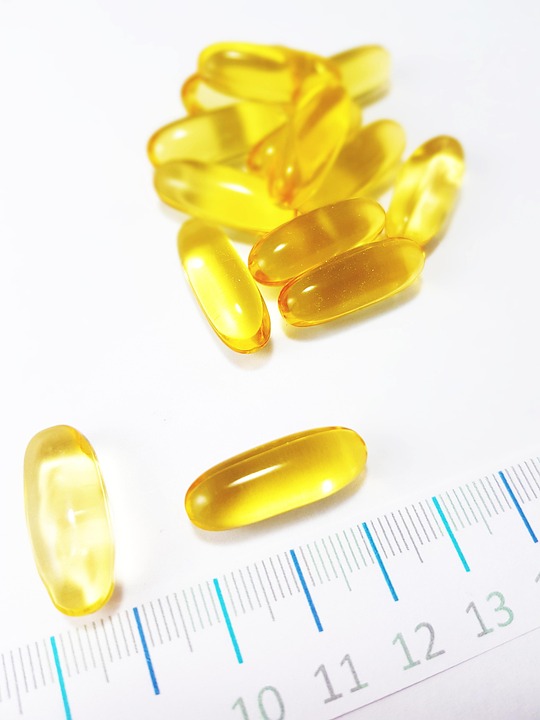
- Fatty Fish: Salmon, mackerel, and sardines are high in omega-3 fatty acids, known for their anti-inflammatory properties.
3. Prioritize Fiber-Rich Foods
Fiber is crucial for maintaining a healthy liver, as it aids digestion and helps eliminate toxins. High-fiber foods also regulate blood sugar levels, reducing the risk of fatty liver disease. Include the following in your diet:
- Whole Grains: Brown rice, quinoa, and oats provide essential fiber and nutrients.
- Legumes: Beans, lentils, and chickpeas are excellent sources of fiber and protein.
- Fruits and Vegetables: Apples, pears, broccoli, and carrots are rich in fiber and support liver health.
4. Stay Hydrated
Adequate hydration is essential for liver function, as it facilitates the removal of toxins and waste products. Drinking sufficient water helps maintain blood flow, allowing the liver to function efficiently. Aim for at least 8 cups (64 ounces) of water daily, and consider herbal teas or infused water for added flavor.
5. Limit Alcohol and Sugary Beverages
Excessive alcohol consumption is a leading cause of liver damage, leading to conditions such as alcoholic liver disease and cirrhosis. Similarly, sugary beverages contribute to insulin resistance and fat accumulation in the liver. To protect your liver, limit alcohol intake to moderate levels and opt for healthier drink options such as water, herbal tea, or natural fruit juices.
6. Embrace Herbs and Spices
Certain herbs and spices possess liver-protective properties, aiding in detoxification and reducing inflammation. Incorporate the following into your diet:
- Turmeric: Contains curcumin, a powerful anti-inflammatory compound that supports liver health.
- Garlic: Enhances liver enzyme production and aids in detoxification.
- Ginger: Reduces inflammation and oxidative stress, promoting liver health.
- Milk Thistle: Contains silymarin, which protects liver cells and promotes regeneration.
7. Maintain a Healthy Weight
Obesity is a significant risk factor for liver disease, particularly non-alcoholic fatty liver disease (NAFLD). Maintaining a healthy weight through a balanced diet and regular exercise can significantly reduce the risk of liver complications. Aim for a steady weight loss of 1-2 pounds per week through a combination of healthy eating and physical activity.
Lifestyle Modifications for Optimal Liver Health
1. Engage in Regular Physical Activity
Exercise plays a vital role in maintaining liver health by improving insulin sensitivity and reducing inflammation. Aim for at least 150 minutes of moderate-intensity exercise per week, such as brisk walking, cycling, or swimming. Incorporating strength training exercises can also benefit liver health by enhancing metabolic rate and reducing fat accumulation.
2. Prioritize Sleep and Stress Management
Adequate sleep and stress management are essential for liver health. Poor sleep and chronic stress can contribute to inflammation and liver damage. Aim for 7-9 hours of quality sleep per night and incorporate stress-reducing practices such as meditation, yoga, or deep breathing exercises into your daily routine.
3. Avoid Toxins and Harmful Substances
Exposure to environmental toxins and harmful substances can damage the liver. Minimize exposure to chemicals, pesticides, and industrial pollutants. Additionally, avoid smoking and limit the use of over-the-counter medications and supplements that can harm the liver.
Conclusion
Optimizing liver health is crucial for overall well-being and longevity. By adopting a nutrient-rich diet, engaging in regular physical activity, and making lifestyle modifications, you can support liver function and reduce the risk of chronic liver diseases. Embrace these essential nutrition tips to ensure your liver remains healthy and functional for years to come.
#ChatGPT assisted in the creation of this article.










Post Comment