Effective Diet Strategies for Managing Thyroid Disorders
Introduction
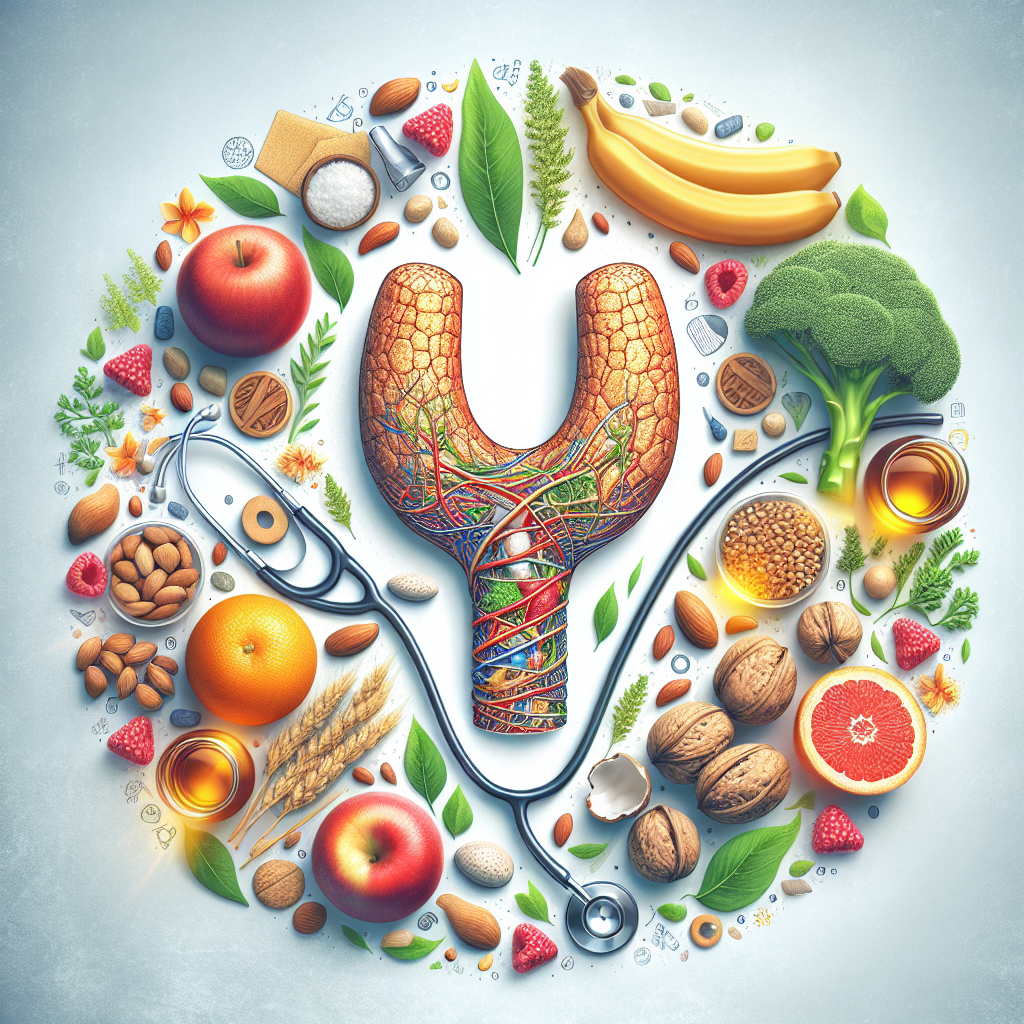
Thyroid disorders, encompassing both hypothyroidism and hyperthyroidism, affect millions worldwide. These conditions can disrupt the delicate balance of hormones that regulate metabolism, energy levels, and overall well-being. While medical treatment is crucial, dietary strategies can also play a pivotal role in managing symptoms and enhancing quality of life for those living with thyroid disorders. This article explores effective diet strategies tailored for managing thyroid conditions.
Understanding Thyroid Disorders
The thyroid gland, located in the neck, produces hormones that influence nearly every metabolic process in the body. The two primary thyroid disorders are hypothyroidism, where the gland underproduces hormones, and hyperthyroidism, where it overproduces them. Symptoms of hypothyroidism include fatigue, weight gain, and depression, while hyperthyroidism can cause weight loss, anxiety, and heart palpitations. Both conditions require medical intervention, but complementary dietary approaches can significantly aid in managing symptoms.
Dietary Strategies for Hypothyroidism
Iodine-Rich Foods
Iodine is essential for thyroid hormone production. However, individuals with hypothyroidism should be cautious with iodine intake, especially those with Hashimoto’s thyroiditis, an autoimmune form of hypothyroidism. Incorporating natural sources like seaweed, fish, dairy, and eggs can help maintain adequate levels without overconsumption.
Selenium and Zinc
Selenium and zinc support thyroid function and help alleviate hypothyroidism symptoms. Brazil nuts, sunflower seeds, and fish are excellent selenium sources, while zinc can be found in shellfish, legumes, and whole grains. Including these nutrients in the diet can promote optimal thyroid health.
Gluten-Free and Anti-Inflammatory Diet
For those with Hashimoto’s thyroiditis, a gluten-free diet may reduce inflammation and improve symptoms. Gluten can trigger immune responses that exacerbate thyroid tissue damage. An anti-inflammatory diet rich in fruits, vegetables, nuts, and fatty fish can help manage inflammation and improve overall health.
Dietary Strategies for Hyperthyroidism
Avoid Excess Iodine
Individuals with hyperthyroidism should limit iodine intake, as excessive iodine can exacerbate symptoms. Avoiding iodine-rich foods, supplements, and iodized salt can help manage hormone levels. Consulting with a healthcare provider can guide appropriate iodine consumption.
Calcium and Vitamin D
Hyperthyroidism can lead to bone loss, making calcium and vitamin D crucial for maintaining bone health. Dairy products, fortified plant-based milks, leafy greens, and exposure to sunlight are excellent sources. Ensuring adequate intake can prevent osteoporosis and improve overall health.
Goitrogens
Goitrogens can interfere with thyroid hormone production and are found in foods like cruciferous vegetables, soy products, and certain nuts. While individuals with hyperthyroidism should monitor their intake, cooking these foods can reduce their goitrogenic effects and allow for safe consumption.
General Dietary Considerations
Balanced Nutrient Intake
A well-rounded diet rich in vitamins, minerals, and antioxidants supports overall thyroid health. Emphasizing whole foods, lean proteins, and healthy fats while minimizing processed foods and added sugars can aid in managing thyroid disorders effectively.
Hydration and Fiber
Adequate hydration and fiber intake are essential for digestive health, which can be affected by thyroid disorders. Drinking plenty of water and consuming fiber-rich foods like fruits, vegetables, and whole grains can help regulate bowel movements and prevent constipation.
Avoiding Trigger Foods
Certain foods and substances can interfere with thyroid function or medication absorption. These include soy products, high-fat foods, and excessive caffeine or alcohol. Identifying and limiting these triggers can enhance treatment efficacy and symptom management.
The Role of Lifestyle and Stress Management
In addition to dietary strategies, lifestyle factors significantly impact thyroid health. Regular physical activity, adequate sleep, and stress management techniques like meditation and yoga can enhance overall well-being. Stress, in particular, can exacerbate thyroid symptoms, making relaxation practices an essential part of a comprehensive management plan.
Collaborating with Healthcare Professionals
Managing thyroid disorders requires a collaborative approach involving healthcare professionals. Registered dietitians and endocrinologists can provide personalized dietary recommendations and monitor progress. Regular check-ups and blood tests help ensure that dietary strategies align with medical treatments, optimizing outcomes.
Conclusion
Effective dietary strategies can significantly aid in managing thyroid disorders, complementing medical treatment and enhancing quality of life. By understanding the specific needs of hypothyroidism and hyperthyroidism, individuals can tailor their diets to support thyroid function and alleviate symptoms. Emphasizing balanced nutrition, monitoring iodine intake, and considering lifestyle factors can empower those with thyroid conditions to take control of their health.
#ChatGPT assisted in the creation of this article.











Post Comment