Top Foods Impacting Diabetes Medication Effectiveness
Introduction
Managing diabetes effectively requires a delicate balance between medication, diet, and lifestyle. For those on diabetes medication, understanding food interactions is crucial. Certain foods can significantly impact the effectiveness of diabetes medication, either by enhancing or diminishing its efficacy. This article delves into the top foods that can alter the effectiveness of diabetes medication, providing insights into how these interactions occur and what individuals with diabetes should consider in their dietary choices.
Understanding Diabetes Medication
Before exploring food interactions, it’s essential to understand the categories of diabetes medications. The most common types include:
Metformin
Metformin is often prescribed for Type 2 diabetes. It works by decreasing glucose production in the liver and improving insulin sensitivity.
Sulfonylureas
These medications stimulate the pancreas to produce more insulin. They include drugs like glipizide and glyburide.
Insulin
Insulin therapy is crucial for Type 1 diabetes and some cases of Type 2 diabetes. It helps regulate blood sugar by facilitating the uptake of glucose into cells.
DPP-4 Inhibitors
These medications help improve blood sugar levels without causing weight gain.
SGLT2 Inhibitors
These drugs prevent the kidneys from reabsorbing glucose back into the blood, thus reducing blood sugar levels.
Foods That Affect Diabetes Medication
Certain foods can interfere with the absorption, metabolism, and efficacy of diabetes medications. Understanding these interactions helps in making informed dietary choices.
Grapefruit and Grapefruit Juice
Grapefruit and its juice are notorious for interacting with various medications, including those for diabetes. The fruit contains compounds that inhibit the CYP3A4 enzyme, which is responsible for metabolizing many medications. This inhibition can lead to increased levels of the drug in the bloodstream, potentially causing adverse side effects. For diabetes medications like sulfonylureas, this interaction can increase the risk of hypoglycemia (low blood sugar).
Alcohol
Alcohol can have unpredictable effects on blood sugar levels and may interact with diabetes medications. For individuals taking insulin or sulfonylureas, alcohol consumption increases the risk of hypoglycemia, particularly if consumed on an empty stomach. Additionally, alcohol can interfere with the liver’s ability to produce glucose, further complicating blood sugar management.
High-Fiber Foods
While fiber is generally beneficial for blood sugar control, excessive intake can interfere with the absorption of certain diabetes medications. High-fiber foods can slow the absorption of drugs like metformin, potentially reducing its effectiveness. It’s crucial to maintain a consistent fiber intake and monitor blood sugar levels to adjust medication doses as needed.
Vitamin K-Rich Foods
Foods rich in vitamin K, such as spinach, kale, and broccoli, can interfere with the effectiveness of diabetes medications, particularly those that affect blood clotting. While vitamin K is more commonly associated with interactions with anticoagulants, its role in blood sugar regulation should not be overlooked.
Salty Foods
Excessive salt intake can lead to water retention and increased blood pressure, which may affect how diabetes medications work. For individuals on medications like insulin, high salt intake can exacerbate hypertension, a common comorbidity with diabetes, potentially necessitating adjustments in medication dosage.
Caffeine
Caffeine can have varying effects on individuals with diabetes. It can raise blood sugar levels in some people and may interfere with the effectiveness of insulin. Monitoring caffeine intake and its effects on blood sugar can help in managing medication efficacy.
Enhancing Medication Effectiveness Through Diet
While certain foods can negatively impact diabetes medication, others can enhance their effectiveness and contribute to better blood sugar control.
Consistent Carbohydrate Intake
Maintaining a consistent intake of carbohydrates can help stabilize blood sugar levels and enhance the effectiveness of insulin and other diabetes medications. This consistency aids in preventing spikes and drops in blood sugar, allowing medications to work more predictively.
Healthy Fats
Incorporating healthy fats, such as those found in avocados, nuts, and olive oil, can improve insulin sensitivity and help in maintaining stable blood sugar levels. These fats can complement the action of diabetes medications by promoting better metabolic health.
Protein-Rich Foods
Including adequate protein in meals can slow the digestion and absorption of carbohydrates, helping to prevent rapid spikes in blood sugar. This can enhance the effectiveness of medications that rely on stable blood sugar levels for optimal performance.
Practical Tips for Managing Food-Medication Interactions
Understanding food-medication interactions is only part of the equation. Implementing practical strategies can help individuals with diabetes manage these interactions effectively.
Consult with Healthcare Providers
Regular consultations with healthcare providers, including doctors and dietitians, can provide personalized guidance on managing food-medication interactions. They can offer tailored advice based on individual health needs and medication regimens.
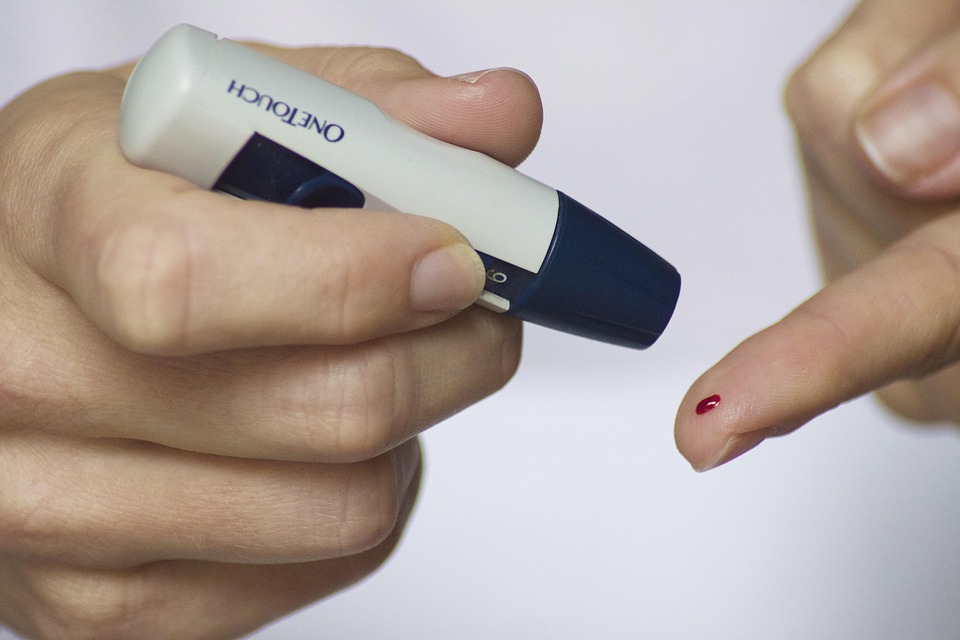
Monitor Blood Sugar Levels
Frequent monitoring of blood sugar levels can help identify patterns and potential interactions between food and medication. This information is invaluable in making necessary dietary and medication adjustments.
Keep a Food Diary
Maintaining a food diary can help track food intake and identify any patterns of interaction with diabetes medications. This diary can be a useful tool for healthcare providers in providing personalized advice.
Stay Informed
Staying informed about potential food interactions with diabetes medications is crucial. New research and information are continually emerging, and being proactive in learning can empower individuals to make informed dietary choices.
Conclusion
Managing diabetes effectively involves understanding the complex interactions between food and medication. While certain foods can negatively impact the effectiveness of diabetes medications, others can enhance their efficacy. By being aware of these interactions and implementing practical strategies, individuals with diabetes can optimize their medication regimen and maintain better control over their blood sugar levels. As with any medical condition, personalized advice from healthcare providers remains invaluable in navigating the complexities of diabetes management.
#ChatGPT assisted in the creation of this article.











Post Comment