Boost Iron Levels: Top Diet Tips for Anemia
Understanding Anemia and Its Causes
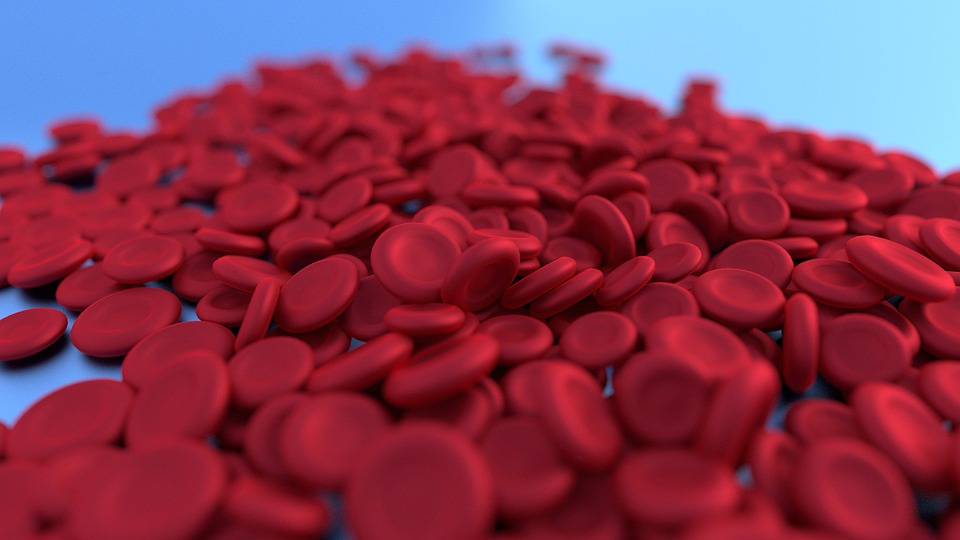
Anemia is a condition characterized by a deficiency of red blood cells or hemoglobin in the blood, resulting in fatigue, weakness, and a host of other symptoms. Iron deficiency anemia is the most common type of anemia, typically caused by inadequate iron intake, blood loss, or an inability to absorb iron efficiently. Iron plays a crucial role in producing hemoglobin, the protein in red blood cells that carries oxygen throughout the body. Therefore, maintaining adequate iron levels is vital for overall health and well-being.
The Role of Iron in the Body
Iron is an essential mineral that supports various bodily functions. It is a key component of hemoglobin and myoglobin, proteins responsible for oxygen transport in the blood and muscles, respectively. Additionally, iron is involved in energy metabolism, immune function, and the synthesis of certain hormones and neurotransmitters. A lack of iron can impair these processes, leading to symptoms such as fatigue, pale skin, shortness of breath, and brittle nails.
Dietary Sources of Iron
Iron is available in two forms in the diet: heme iron and non-heme iron. Heme iron is found in animal products and is more readily absorbed by the body, while non-heme iron is derived from plant sources and is less easily absorbed. To boost iron levels, it’s important to include a variety of iron-rich foods in your diet.
Heme Iron Sources
- Red meat (beef, lamb, pork)
- Poultry (chicken, turkey)
- Fish and seafood (salmon, tuna, sardines, clams, oysters)
- Liver and organ meats
Non-Heme Iron Sources
- Legumes (lentils, chickpeas, beans)
- Nuts and seeds (pumpkin seeds, sunflower seeds, almonds)
- Whole grains (quinoa, brown rice, oats)
- Leafy greens (spinach, kale, Swiss chard)
- Tofu and tempeh
- Dried fruits (apricots, raisins, prunes)
Enhancing Iron Absorption
While consuming iron-rich foods is essential, optimizing iron absorption is equally important. Certain dietary factors can enhance or inhibit the absorption of iron, particularly non-heme iron. Here are some strategies to improve iron absorption:
Consume Vitamin C-Rich Foods
Vitamin C can significantly enhance the absorption of non-heme iron. Pair iron-rich foods with sources of vitamin C, such as citrus fruits (oranges, lemons, grapefruits), strawberries, kiwi, bell peppers, broccoli, and tomatoes.
Avoid Iron Inhibitors
Some compounds can hinder iron absorption, including phytates (found in whole grains and legumes), polyphenols (found in tea, coffee, and some fruits), and calcium (found in dairy products and fortified foods). To minimize their impact, avoid consuming these foods and beverages alongside high-iron meals.
Cook in Cast Iron Cookware
Cooking acidic foods, such as tomato sauce, in cast iron pots and pans can increase the iron content of the food. The iron leaches into the food during the cooking process, providing an additional source of dietary iron.
Meal Planning for Anemia
Planning meals with a focus on iron-rich foods and enhanced absorption can help manage and prevent anemia. Here are some meal ideas to incorporate into your diet:
Breakfast
- Oatmeal topped with sliced strawberries and a sprinkle of sunflower seeds
- Whole-grain toast with peanut butter and a glass of orange juice
- Smoothie with spinach, banana, and a handful of almonds
Lunch
- Quinoa salad with chickpeas, cherry tomatoes, and lemon vinaigrette
- Grilled chicken sandwich with bell pepper strips and hummus
- Lentil soup with a side of whole-grain bread
Dinner
- Beef stir-fry with broccoli, bell peppers, and brown rice
- Salmon filet with sautéed spinach and quinoa
- Stuffed bell peppers with turkey, black beans, and tomatoes
Supplements and Medical Consultation
While dietary changes can significantly impact iron levels, some individuals may require iron supplements, especially those with severe deficiencies or absorption issues. It’s crucial to consult a healthcare professional before starting any supplement regimen, as excessive iron intake can lead to toxicity and other health complications.
Conclusion
Managing and preventing anemia involves a combination of consuming iron-rich foods, enhancing iron absorption, and making informed dietary choices. By incorporating a diverse range of iron sources and being mindful of factors that influence absorption, individuals can effectively boost their iron levels and improve their overall health. However, it’s essential to work closely with healthcare providers to tailor dietary and supplement strategies to individual needs and ensure safe and effective management of anemia.
#ChatGPT assisted in the creation of this article.









Post Comment