Heart-Healthy Diet Tips to Combat Cardiovascular Disease
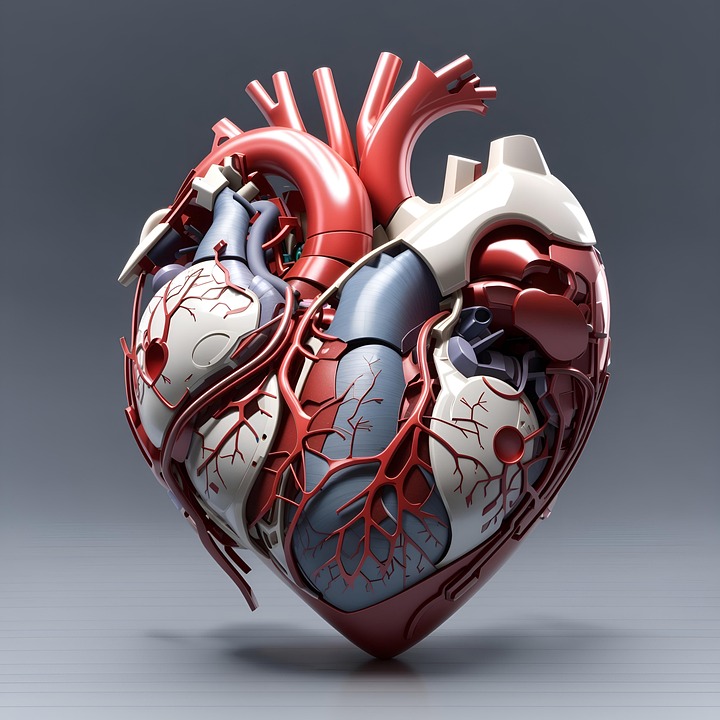
Cardiovascular disease (CVD) remains one of the leading causes of mortality worldwide, affecting millions of individuals each year. However, the impact of CVD can be significantly mitigated through lifestyle changes, particularly dietary modifications. A heart-healthy diet is a cornerstone of preventing and managing cardiovascular disease, and understanding the components of such a diet can empower individuals to take control of their heart health.
Understanding Cardiovascular Disease
Before diving into dietary tips, it is essential to grasp the basics of cardiovascular disease. CVD encompasses a range of conditions affecting the heart and blood vessels, including coronary artery disease, heart attack, stroke, and hypertension. Risk factors for CVD include high blood pressure, high cholesterol, obesity, smoking, and a sedentary lifestyle. A heart-healthy diet can address several of these risk factors by promoting weight management, reducing cholesterol levels, and supporting overall cardiovascular health.
The Role of Diet in Heart Health
Diet plays a crucial role in heart health. A balanced and nutritious diet can help reduce the risk of developing cardiovascular disease and manage existing conditions. Key dietary components that influence heart health include cholesterol, saturated fats, trans fats, sodium, fiber, and antioxidants. By understanding how these components affect the body, individuals can make informed dietary choices that support heart health.
Heart-Healthy Diet Tips
Incorporate More Fruits and Vegetables
Fruits and vegetables are rich in essential vitamins, minerals, and antioxidants that support heart health. They are low in calories and high in dietary fiber, which can help lower cholesterol levels and maintain a healthy weight. Aim to fill half of your plate with a variety of colorful fruits and vegetables at each meal. Berries, leafy greens, tomatoes, and citrus fruits are particularly beneficial due to their high antioxidant content.
Choose Whole Grains
Whole grains are an excellent source of dietary fiber and essential nutrients such as B vitamins and iron. Unlike refined grains, whole grains retain their bran and germ, providing more nutritional benefits. Consuming whole grains like oatmeal, brown rice, quinoa, and whole wheat bread can help reduce cholesterol levels and lower the risk of heart disease. Aim to make at least half of your grain intake whole grains.
Limit Saturated and Trans Fats
Saturated and trans fats can raise cholesterol levels and increase the risk of heart disease. Saturated fats are commonly found in red meat, butter, cheese, and other dairy products. Trans fats are often present in processed foods, baked goods, and margarine. To reduce your intake of these unhealthy fats, opt for lean meats, low-fat dairy products, and healthier cooking methods such as grilling, baking, or steaming. Additionally, check food labels for trans fats and avoid products containing partially hydrogenated oils.
Include Healthy Fats
Not all fats are bad for your heart. Unsaturated fats, particularly omega-3 fatty acids, are essential for heart health. These healthy fats can help lower cholesterol levels and reduce inflammation. Sources of omega-3 fatty acids include fatty fish like salmon, mackerel, and sardines, as well as plant-based sources like flaxseeds, walnuts, and chia seeds. Incorporate these foods into your diet regularly to reap their heart-protective benefits.
Reduce Sodium Intake
High sodium intake is linked to elevated blood pressure, a major risk factor for cardiovascular disease. The majority of sodium in the diet comes from processed and packaged foods. To reduce sodium intake, choose fresh, whole foods whenever possible and limit the consumption of processed foods. When cooking, use herbs and spices to flavor dishes instead of salt, and be mindful of sodium content in condiments and sauces.
Opt for Lean Protein Sources
Protein is an essential nutrient, but the type of protein consumed can impact heart health. Choose lean protein sources such as poultry, fish, beans, lentils, and tofu. These options are lower in saturated fats and can support heart health. Additionally, incorporating plant-based proteins can provide additional fiber and nutrients beneficial for cardiovascular health.
Moderate Alcohol Consumption
Excessive alcohol consumption can contribute to high blood pressure, heart failure, and other cardiovascular issues. If you choose to drink alcohol, do so in moderation. For most adults, this means up to one drink per day for women and up to two drinks per day for men. Red wine, in particular, contains resveratrol, an antioxidant that may have heart-protective benefits when consumed in moderation.
Practical Tips for Adopting a Heart-Healthy Diet
Plan Your Meals
Planning meals ahead of time can help you make healthier choices and avoid impulse decisions that may not align with a heart-healthy diet. Set aside time each week to plan your meals and create a shopping list of nutritious foods. This proactive approach can help you stay on track and ensure you have the necessary ingredients for heart-healthy meals.
Cook at Home
Cooking at home allows you to control the ingredients and portion sizes of your meals. Experiment with new recipes that incorporate heart-healthy ingredients and cooking methods. Involve family members in the cooking process to make it a fun and educational experience. Cooking at home can also save money and reduce reliance on processed and restaurant foods.
Read Food Labels
Understanding food labels can help you make informed choices about the foods you consume. Pay attention to serving sizes, nutritional content, and ingredient lists. Look for products that are low in saturated fats, trans fats, sodium, and added sugars. Choose items with higher fiber and nutrient content to support heart health.
Practice Portion Control
Even healthy foods can contribute to weight gain if consumed in excess. Practice portion control by using smaller plates, bowls, and utensils to help regulate portion sizes. Be mindful of portion sizes when dining out, and consider sharing meals or taking leftovers home. Eating slowly and savoring each bite can also help prevent overeating.
Conclusion
Adopting a heart-healthy diet is a powerful tool in the fight against cardiovascular disease. By incorporating more fruits and vegetables, choosing whole grains, limiting unhealthy fats, and reducing sodium intake, individuals can significantly improve their heart health. Additionally, practical strategies such as meal planning, cooking at home, reading food labels, and practicing portion control can support long-term dietary changes. As with any lifestyle modification, consistency is key, and small, sustainable changes can lead to significant improvements in heart health over time.
Taking proactive steps to prioritize heart health through diet not only reduces the risk of cardiovascular disease but also enhances overall well-being and quality of life. Empower yourself with the knowledge and tools to make heart-healthy choices, and take charge of your cardiovascular health today.
#ChatGPT assisted in the creation of this article.











Post Comment