Top Painkiller and Food Interactions You Must Know
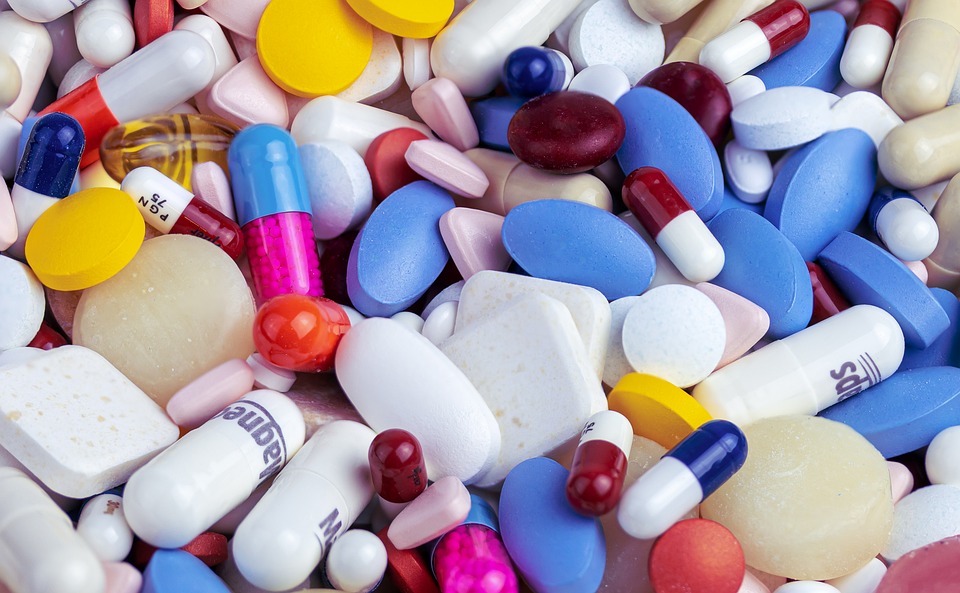
Painkillers, also known as analgesics, are some of the most commonly used medications worldwide. They provide relief from various types of pain, ranging from headaches to more severe conditions like arthritis. However, what many people don’t realize is that the effectiveness and safety of these medications can be significantly influenced by the foods and beverages consumed alongside them. Understanding these interactions is crucial for maximizing the benefits of painkillers while minimizing potential risks. This article delves into the top painkiller and food interactions you need to be aware of.
Acetaminophen and Alcohol
Acetaminophen, known by brand names such as Tylenol, is a widely used over-the-counter painkiller. While it’s generally considered safe when taken as directed, combining it with alcohol can be dangerous. Both acetaminophen and alcohol are metabolized by the liver, and when taken together, they can increase the risk of liver damage. This risk is especially high in individuals who consume alcohol regularly or in large quantities. To avoid potential liver damage, it is advisable to limit alcohol intake while using acetaminophen.
Ibuprofen and Caffeine
Ibuprofen, a non-steroidal anti-inflammatory drug (NSAID), is commonly used to reduce inflammation and relieve pain. Caffeine, found in coffee, tea, and some soft drinks, can enhance the absorption and effectiveness of ibuprofen. This can be beneficial for quick relief of pain, but it can also increase the risk of side effects such as stomach upset and gastrointestinal bleeding. It is important to monitor the amount of caffeine consumed while taking ibuprofen to avoid these potential issues.
Aspirin and Vitamin C
Aspirin is another NSAID that is often used to relieve pain and reduce fever. Vitamin C, commonly found in citrus fruits and supplements, can affect the absorption of aspirin. High doses of vitamin C can increase the acidity of urine, leading to faster excretion of aspirin and reducing its effectiveness. On the other hand, moderate amounts of vitamin C may enhance the pain-relieving effects of aspirin. It’s crucial to find a balance and avoid excessive intake of vitamin C when taking aspirin.
Opioids and High-Fat Meals
Opioids, such as oxycodone and morphine, are powerful painkillers used for severe pain. Consuming high-fat meals can delay the absorption of opioids, leading to delayed pain relief. Moreover, high-fat meals can increase the peak concentration of the drug in the bloodstream, potentially leading to increased side effects such as drowsiness and respiratory depression. To optimize the efficacy of opioids, it is advisable to take them on an empty stomach or with a light meal.
Naproxen and Alcohol
Naproxen, another NSAID, is used to relieve pain from various conditions such as arthritis and menstrual cramps. Consuming alcohol while taking naproxen can exacerbate gastrointestinal side effects, such as stomach ulcers and bleeding. Both naproxen and alcohol can irritate the stomach lining, and their combined effect can significantly increase the risk of gastrointestinal complications. It is best to avoid alcohol when taking naproxen to prevent these adverse effects.
Tramadol and Grapefruit Juice
Tramadol is an opioid pain medication that is often prescribed for moderate to severe pain. Grapefruit juice can interfere with the metabolism of tramadol by affecting the enzymes responsible for breaking down the drug in the liver. This can lead to increased levels of tramadol in the bloodstream, enhancing its effects and side effects. To avoid potential complications, it is advisable to avoid grapefruit juice while taking tramadol.
Acetaminophen and High-Sugar Foods
While not as well-known as other interactions, high-sugar foods can impact how acetaminophen is metabolized. Consuming large amounts of sugary foods can increase the production of certain enzymes in the liver, which can alter how acetaminophen is broken down and increase the risk of side effects. To ensure the safe use of acetaminophen, it is recommended to limit the intake of high-sugar foods during its use.
Meloxicam and Dairy Products
Meloxicam is an NSAID used to treat conditions like osteoarthritis and rheumatoid arthritis. Dairy products can slow the absorption of meloxicam, potentially reducing its effectiveness. Calcium in dairy products binds with meloxicam, leading to decreased absorption in the intestines. To ensure optimal absorption and effectiveness, it is best to take meloxicam at least an hour before or after consuming dairy products.
Codeine and Herbal Supplements
Codeine is an opioid used to treat mild to moderate pain and is often combined with other pain relievers like acetaminophen. Herbal supplements, such as St. John’s Wort, can decrease the effectiveness of codeine by increasing the metabolism of the drug in the liver. This can lead to reduced pain relief and potential withdrawal symptoms. It is crucial to consult a healthcare professional before combining codeine with any herbal supplements.
Conclusion
Understanding the interactions between painkillers and food is essential for ensuring the effectiveness and safety of these medications. While some foods can enhance the absorption and efficacy of painkillers, others can lead to adverse effects or decreased effectiveness. It is always a good idea to read the medication labels, consult with healthcare professionals, and be mindful of your diet when taking painkillers. By doing so, you can maximize the benefits and minimize the risks associated with these common medications.
#ChatGPT assisted in the creation of this article.













Post Comment