Essential Balanced Diet Guidelines for Optimal Health
“`html
Introduction
In today’s fast-paced world, maintaining a balanced diet is more crucial than ever for optimal health. A balanced diet provides essential nutrients that the body needs to function effectively, prevent chronic diseases, and promote overall well-being. This article delves into the essential guidelines for achieving a balanced diet, focusing on the major food groups, portion control, and the importance of nutrient diversity.
Understanding a Balanced Diet
A balanced diet encompasses a variety of foods in the right proportions to provide the necessary nutrients and energy the body needs to operate efficiently. It involves consuming the right amount of calories, macronutrients (carbohydrates, proteins, and fats), micronutrients (vitamins and minerals), and water.
Components of a Balanced Diet
A balanced diet includes the following components:
1. **Carbohydrates**: They are the body’s primary energy source. Whole grains, fruits, and vegetables are excellent sources of complex carbohydrates that provide sustained energy.
2. **Proteins**: Essential for growth, repair, and maintenance of tissues, proteins can be sourced from both animal products (meat, fish, eggs) and plant-based options (beans, lentils, tofu).
3. **Fats**: Healthy fats, such as those found in avocados, nuts, seeds, and olive oil, are crucial for brain health and hormone production.
4. **Vitamins and Minerals**: These micronutrients are vital for various biochemical functions. A diet rich in fruits, vegetables, and whole grains ensures an adequate intake of these nutrients.
5. **Water**: Adequate hydration is fundamental for digestion, nutrient absorption, and waste elimination.
Guidelines for a Balanced Diet
1. Prioritize Whole Foods
Whole foods, such as fruits, vegetables, whole grains, and lean proteins, should form the foundation of your diet. These foods are minimally processed, retaining their natural nutrients, fiber, and beneficial compounds. A diet centered around whole foods can reduce the risk of chronic diseases and improve overall health.
2. Diversify Your Plate
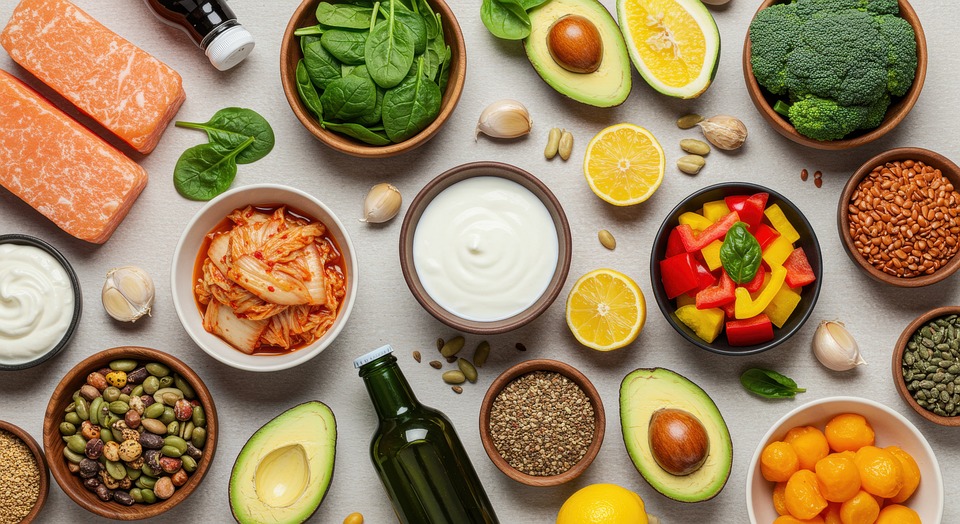
Eating a wide variety of foods ensures that you receive a broad spectrum of nutrients. Different colors of fruits and vegetables offer different health benefits, so aim to include a rainbow of produce in your diet. For example, leafy greens provide iron and calcium, while orange vegetables like carrots and sweet potatoes are rich in beta-carotene.
3. Control Portion Sizes
Portion control is essential to prevent overeating and maintain a healthy weight. Use smaller plates to help manage portion sizes, and listen to your body’s hunger and satiety cues. Eating slowly and mindfully can also help you recognize when you are full.
4. Limit Processed Foods
Processed foods often contain high levels of added sugars, unhealthy fats, and sodium, which can contribute to health issues like obesity, heart disease, and diabetes. Limit your intake of processed snacks, sugary beverages, and convenience foods, opting instead for fresh, whole food alternatives.
5. Balance Macronutrients
Ensure your diet includes a balance of carbohydrates, proteins, and fats. Each meal should ideally contain a source of each macronutrient to maintain energy levels and support bodily functions. For example, a balanced meal might include grilled chicken (protein), quinoa (carbohydrate), and steamed broccoli (fiber and vitamins).
6. Stay Hydrated
Water is vital for many bodily functions, including digestion and temperature regulation. Aim to drink at least 8 cups (about 2 liters) of water a day, more if you are physically active or live in a hot climate. Remember that other beverages such as herbal teas and milk can also contribute to your daily fluid intake.
Special Considerations
1. Dietary Requirements for Different Life Stages
Nutritional needs vary throughout different life stages. Children and teenagers require nutrients that support growth and development, such as calcium and iron. Pregnant women need additional folic acid and iron to support fetal development. Older adults may require more vitamin D and calcium to maintain bone health.
2. Individual Dietary Needs
Individual dietary requirements can vary due to factors such as activity level, health conditions, and dietary preferences. For instance, athletes may need more protein to support muscle repair, while individuals with lactose intolerance should seek alternative calcium sources.
3. Cultural and Ethical Considerations
Cultural and ethical beliefs can influence dietary choices. Vegetarian and vegan diets are increasingly popular, and those following these diets must ensure they are getting enough protein, vitamin B12, iron, and other nutrients typically found in animal products.
Conclusion
Achieving a balanced diet involves making informed food choices that provide the necessary nutrients for optimal health. By prioritizing whole foods, diversifying your intake, managing portion sizes, and staying hydrated, you can support your body’s needs and enhance your overall well-being. Remember that dietary recommendations can vary based on individual needs and life stages, so consider consulting a healthcare provider or registered dietitian for personalized advice. A balanced diet is not just about eating the right foods but also about enjoying them as part of a healthy lifestyle.
“`
#ChatGPT assisted in the creation of this article.













Post Comment