Master Hypertension with a Proven Diet Plan
Introduction
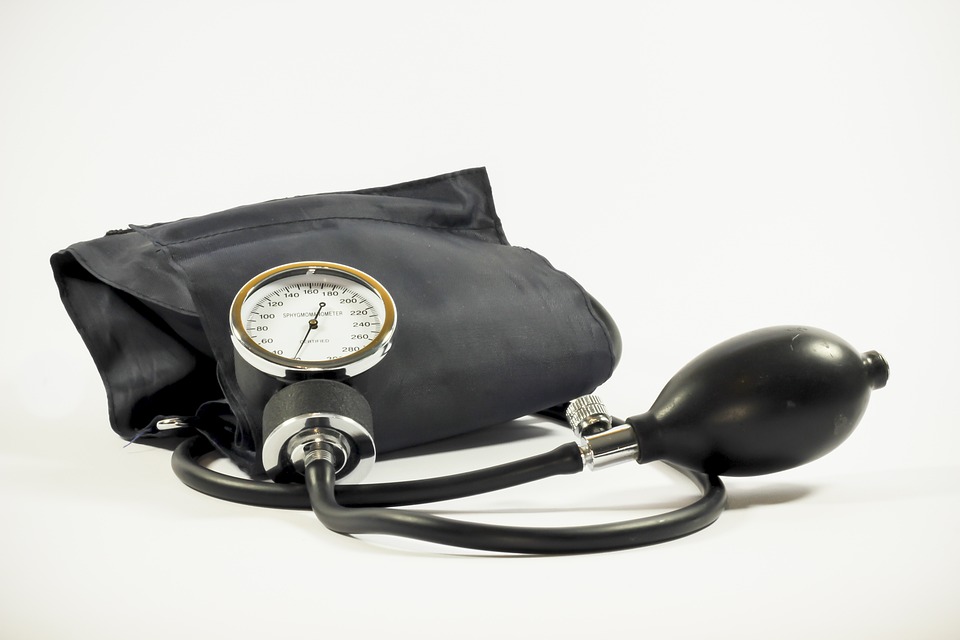
Hypertension, commonly known as high blood pressure, is a prevalent chronic condition affecting millions worldwide. It is a significant risk factor for heart disease, stroke, and kidney failure. Although medication is often necessary to manage hypertension, dietary and lifestyle changes play a crucial role in controlling blood pressure levels. This article explores a proven diet plan that can help master hypertension and improve overall cardiovascular health.
Understanding Hypertension
Blood pressure is the force exerted by circulating blood against the walls of the body’s arteries. Hypertension occurs when this force is consistently too high, causing damage to the arteries and leading to various health complications. It is often called the “silent killer” because it typically presents no symptoms until significant damage has occurred.
The Role of Diet in Hypertension
Diet plays a pivotal role in managing hypertension. Certain nutrients can influence blood pressure levels, while others can exacerbate the condition. A balanced diet that emphasizes fruits, vegetables, whole grains, lean proteins, and healthy fats can help control blood pressure and reduce the risk of related health issues. Incorporating specific dietary plans, such as the DASH (Dietary Approaches to Stop Hypertension) diet, can be particularly effective.
The DASH Diet: An Overview
The DASH diet is a well-researched eating plan specifically designed to combat hypertension. It emphasizes the consumption of foods rich in potassium, calcium, and magnesium, nutrients known to help regulate blood pressure. The diet also encourages reducing sodium intake, which is a key factor in lowering blood pressure.
Key Components of the DASH Diet
- Fruits and Vegetables: Aim for at least 4-5 servings of each per day. These foods are rich in potassium, which helps balance sodium levels in the body.
- Whole Grains: Incorporate 6-8 servings per day. Whole grains like brown rice, quinoa, and whole wheat bread provide fiber and important nutrients.
- Lean Proteins: Opt for lean meats, poultry, and fish, with a focus on 2 or fewer servings per day. Plant-based proteins like beans, lentils, and tofu are excellent alternatives.
- Low-fat Dairy: Consume 2-3 servings daily. Dairy products like yogurt and milk are good sources of calcium.
- Nuts, Seeds, and Legumes: Include 4-5 servings per week. These foods are high in magnesium and healthy fats.
- Fats and Oils: Use sparingly, with an emphasis on healthy fats such as olive oil and avocados.
- Sodium: Limit intake to 1,500-2,300 mg per day. Avoid processed and packaged foods high in sodium.
Implementing the DASH Diet
Transitioning to the DASH diet requires planning and commitment. Here are some practical tips for incorporating this diet plan into your daily routine:
Plan Your Meals
Start by planning your meals for the week. Focus on incorporating a variety of fruits, vegetables, and whole grains into each meal. Preparing your meals in advance can help you avoid unhealthy food choices when you’re short on time.
Read Food Labels
Understanding food labels is crucial for managing sodium intake. Look for products labeled “low sodium” or “no salt added,” and be mindful of portion sizes to ensure you stay within your daily sodium limit.
Cook at Home
Cooking at home allows you to control the ingredients and sodium content of your meals. Experiment with herbs and spices to add flavor without relying on salt.
Gradual Changes
If you’re new to the DASH diet, consider making gradual changes to your eating habits. This approach can make the transition more manageable and sustainable in the long term.
The Benefits of the DASH Diet
Adopting the DASH diet offers numerous health benefits beyond blood pressure control. These include:
Weight Management
The emphasis on whole, nutrient-dense foods can lead to weight loss, which is beneficial for lowering blood pressure and reducing the risk of other chronic conditions.
Improved Heart Health
By reducing sodium and increasing intake of heart-healthy nutrients, the DASH diet supports overall cardiovascular health and reduces the risk of heart disease.
Enhanced Nutrient Intake
The diet promotes a diverse range of foods, ensuring you receive essential vitamins and minerals necessary for optimal health.
Potential Challenges and Solutions
While the DASH diet is highly effective, some individuals may encounter challenges when adopting this eating plan. Here are common obstacles and strategies to overcome them:
Adjusting to Lower Sodium
For those accustomed to a high-sodium diet, reducing salt intake can be challenging. Gradually decrease sodium consumption and use herbs and spices to enhance flavor.
Budget Constraints
Some may worry about the cost of fresh produce and whole grains. Consider shopping for seasonal fruits and vegetables, buying in bulk, and exploring local farmers’ markets for affordable options.
Time Management
Busy schedules can make meal preparation difficult. Set aside time each week to plan and prepare meals in advance. Utilize quick and easy recipes that align with the DASH diet principles.
Conclusion
Mastering hypertension through diet is a powerful and effective strategy to improve cardiovascular health and overall well-being. The DASH diet stands out as a proven eating plan that not only addresses high blood pressure but also promotes a balanced and nutritious lifestyle. By incorporating the principles of the DASH diet, individuals can take control of their health, reduce the risk of complications, and enjoy a vibrant, fulfilling life.
#ChatGPT assisted in the creation of this article.










Post Comment