Optimal Diet for Gout: Foods to Embrace

Introduction
Gout is a form of arthritis characterized by severe pain, redness, and tenderness in joints. It occurs due to the accumulation of urate crystals, which form when there’s an excess of uric acid in the bloodstream. Diet plays a crucial role in managing gout, as certain foods can increase uric acid levels, while others can help reduce them. In this article, we’ll explore the optimal diet for gout and highlight foods that can be embraced to manage this condition effectively.
Understanding Gout and Its Triggers
Gout is often associated with sudden and severe attacks of pain, swelling, redness, and tenderness in the joints, especially the base of the big toe. The underlying cause is hyperuricemia, a condition wherein there is an excess of uric acid in the blood. Uric acid is a waste product formed from the breakdown of purines, which are substances found naturally in the body and in certain foods.
While hyperuricemia doesn’t always lead to gout, it increases the risk. The likelihood of developing gout is influenced by factors such as genetics, obesity, certain medical conditions, and, importantly, diet. Foods rich in purines can elevate uric acid levels, triggering gout attacks. Therefore, it is crucial to understand which foods to avoid and which to embrace.
Foods to Embrace for Gout
A gout-friendly diet emphasizes foods that are low in purines and have properties that help reduce uric acid levels. Incorporating these foods into your diet can be beneficial in managing and preventing gout attacks.
1. Low-Fat Dairy Products
Low-fat dairy products such as skim milk, low-fat yogurt, and cheese are excellent choices for individuals with gout. These foods are not only low in purines but also have been shown to reduce uric acid levels in the blood. The proteins in dairy products may promote the excretion of uric acid, offering a protective effect against gout.
2. Fruits and Vegetables
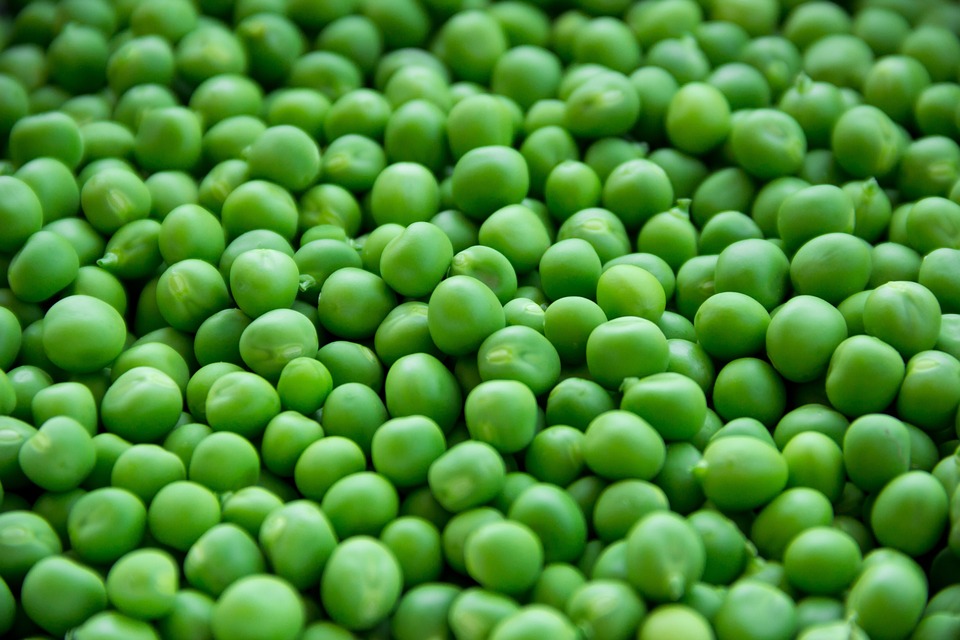
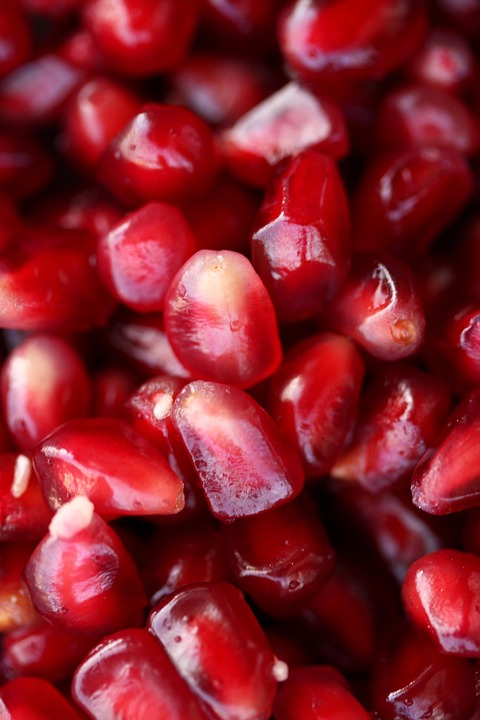
Fruits and vegetables are generally low in purines and rich in vitamins, minerals, and antioxidants that support overall health. Cherries, in particular, have been found to lower uric acid levels and reduce the risk of gout attacks. Berries, citrus fruits, and leafy greens are also beneficial and should be included in a gout-friendly diet.
Vegetables like spinach, asparagus, and mushrooms are moderately high in purines but do not seem to increase the risk of gout attacks. The overall health benefits of these vegetables outweigh the potential risks, making them a valuable part of a balanced diet.
3. Whole Grains
Whole grains such as oats, brown rice, and barley are excellent sources of fiber and essential nutrients. Unlike refined grains, whole grains have a lower glycemic index, which can help manage weight and reduce the risk of gout attacks. Fiber-rich foods also promote satiety, helping to control overeating and obesity, which are risk factors for gout.
4. Lean Proteins
While high protein intake from certain meats can increase uric acid levels, lean protein sources like chicken breast, turkey, and tofu are lower in purines and can be safely consumed in moderation. Fish like salmon and mackerel are also good options, as they provide omega-3 fatty acids, which have anti-inflammatory properties.
5. Nuts and Seeds
Nuts and seeds are excellent plant-based protein sources that are low in purines. Almonds, walnuts, flaxseeds, and chia seeds can be incorporated into a gout-friendly diet. They provide healthy fats, fiber, and essential nutrients, making them a nutritious snack or addition to meals.
6. Legumes
Legumes such as lentils, chickpeas, and beans are high in protein and low in purines, making them suitable for individuals with gout. They are also rich in fiber, which can aid in weight management and overall metabolic health. Including legumes in your diet can provide essential nutrients without increasing the risk of gout attacks.
Beverages to Include
Staying hydrated is crucial for managing gout, as it helps flush uric acid from the body. Certain beverages can be particularly beneficial:
Water
Drinking plenty of water is essential for anyone managing gout. Water helps dilute uric acid and promotes its excretion through urine. Aim for at least 8-10 glasses per day, or more if you’re active or live in a hot climate.
Coffee
Some studies suggest that coffee, particularly caffeinated coffee, may lower the risk of gout. It is believed that coffee’s impact on insulin sensitivity and its antioxidant properties may play a role in reducing uric acid levels. However, moderation is key, as excessive caffeine can have other health implications.
Herbal Teas
Herbal teas like chamomile, ginger, and peppermint are hydrating and can be included in a gout-friendly diet. These teas offer various health benefits and are generally low in purines.
Foods and Drinks to Limit or Avoid
While embracing gout-friendly foods, it’s equally important to limit or avoid certain foods and beverages that can exacerbate the condition:
Red and Organ Meats
Red meats such as beef, lamb, and pork, as well as organ meats like liver and kidneys, are high in purines and should be avoided or consumed sparingly. These foods can significantly increase uric acid levels and trigger gout attacks.
Seafood
Certain seafood, including anchovies, sardines, mussels, and scallops, are high in purines and can contribute to elevated uric acid levels. While not all seafood needs to be eliminated, it’s wise to limit consumption of these particular types.
Alcohol
Alcohol, especially beer and spirits, can interfere with the elimination of uric acid and should be consumed in moderation or avoided altogether. Wine may be a better option, but it should still be consumed in moderation.
Sugary Foods and Beverages
Foods and drinks high in sugar, particularly fructose, can increase uric acid production. Sodas, sugary snacks, and desserts should be limited to prevent gout flares.
Conclusion
Managing gout effectively requires a strategic approach to diet, focusing on foods that help reduce uric acid levels while avoiding those that exacerbate the condition. By embracing a diet rich in low-fat dairy, fruits, vegetables, whole grains, lean proteins, nuts, seeds, and legumes, individuals with gout can reduce the frequency of attacks and improve their overall quality of life. Staying hydrated and limiting the intake of purine-rich foods, alcohol, and sugary beverages are also essential strategies in managing gout.
As with any dietary changes, it’s advisable to consult with a healthcare professional or a registered dietitian to tailor a plan that meets your specific needs and health goals. With the right dietary choices, living with gout can become more manageable, allowing individuals to lead healthier and more comfortable lives.
#ChatGPT assisted in the creation of this article.










Post Comment