### Optimize Your Diet for Blood Pressure Medication Success
“`html
Optimize Your Diet for Blood Pressure Medication Success
Managing high blood pressure, or hypertension, is a critical aspect of maintaining cardiovascular health. For many people, this involves the use of blood pressure medications. However, medication alone is not always sufficient. Diet plays a crucial role in optimizing the effectiveness of these medications and can contribute significantly to overall heart health. This article will explore how you can tailor your diet to enhance the success of your blood pressure medication.
Understanding Blood Pressure Medications
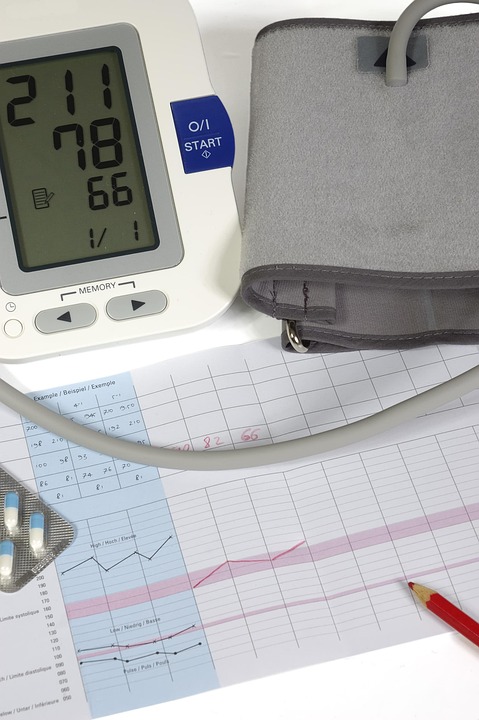
Blood pressure medications, also known as antihypertensives, are prescribed to help lower high blood pressure, reducing the risk of stroke, heart attack, and other cardiovascular issues. These medications work through different mechanisms: some reduce fluid in the body, others relax blood vessel walls, and some decrease the heart rate. Common categories include diuretics, ACE inhibitors, beta-blockers, calcium channel blockers, and angiotensin II receptor blockers (ARBs).
It’s important to note that while medications are effective, they work best when paired with lifestyle changes, particularly dietary modifications.
The Role of Diet in Blood Pressure Management
Diet is a cornerstone of blood pressure management. The foods you consume can have a direct impact on blood pressure levels and the effectiveness of medications. A heart-healthy diet can lead to better control of hypertension and might even reduce the need for medication in some cases.
Key Dietary Strategies for Enhancing Medication Efficacy
1. Reduce Sodium Intake
Sodium is a significant contributor to high blood pressure. When consumed in excess, it can lead to fluid retention, increasing the burden on the heart and blood vessels. The American Heart Association recommends consuming no more than 2,300 milligrams of sodium per day, with an ideal limit of 1,500 milligrams for most adults, particularly those with hypertension.
To reduce sodium intake:
– Avoid processed and packaged foods, which are often high in sodium.
– Opt for fresh fruits and vegetables.
– Use herbs and spices instead of salt to flavor foods.
– Read nutrition labels carefully to monitor sodium content.
2. Incorporate Potassium-Rich Foods
Potassium helps balance the amount of sodium in your cells, and adequate intake can help lower blood pressure. Foods rich in potassium include:
– Bananas
– Oranges and orange juice
– Potatoes
– Spinach
– Beans
– Avocados
Ensure you’re getting enough potassium in your diet, but consult with your healthcare provider, especially if you’re on a potassium-sparing diuretic or have kidney issues.
3. Embrace the DASH Diet
The Dietary Approaches to Stop Hypertension (DASH) diet is specifically designed to help manage blood pressure. It emphasizes:
– Eating fruits, vegetables, and whole grains
– Including low-fat dairy, poultry, fish, and nuts
– Reducing saturated fats, cholesterol, and trans fats
– Limiting red meat, sweets, and sugary beverages
Research has shown that following the DASH diet can lead to significant reductions in blood pressure.
4. Limit Alcohol and Caffeine
Alcohol and caffeine can impact blood pressure levels and interfere with medication. Moderation is key:
– Limit alcohol to no more than two drinks per day for men and one drink per day for women.
– Monitor caffeine consumption, as it can cause a temporary spike in blood pressure. If you’re sensitive to caffeine, consider reducing your intake.
5. Stay Hydrated
Adequate hydration is crucial for maintaining healthy blood pressure. Dehydration can cause blood pressure to drop, which may be problematic if you’re on medication. Aim for 8-10 glasses of water per day, adjusting for activity level and climate.
Specific Food and Medication Interactions to Consider
While general dietary strategies are important, certain foods can directly interact with blood pressure medications. Being aware of these can prevent adverse effects and ensure medication efficacy.
1. Grapefruit and Grapefruit Juice
Grapefruit can interfere with the enzymes that metabolize certain medications, leading to higher levels in your bloodstream and increased risk of side effects. This is particularly true for some calcium channel blockers. It’s best to avoid grapefruit and grapefruit juice if you’re on these medications.
2. High-Potassium Foods with Certain Medications
While potassium is beneficial, too much can be harmful if you’re taking ACE inhibitors or ARBs, as these medications can increase potassium levels in the blood. Balance is key, and regular monitoring by your healthcare provider is advised.
3. Licorice
Natural licorice contains glycyrrhizin, which can raise blood pressure and counteract the effects of blood pressure medications. Avoid licorice products unless they are labeled as “deglycyrrhizinated.”
4. Tyramine-Rich Foods
If you’re taking monoamine oxidase inhibitors (MAOIs) for hypertension, avoid tyramine-rich foods like aged cheeses, smoked meats, and fermented foods. Tyramine can cause a dangerous increase in blood pressure when combined with MAOIs.
Maintaining a Balanced Approach
While dietary changes are essential, they should be part of a broader lifestyle approach to managing blood pressure. Regular physical activity, stress management, and adhering to your medication regimen are equally important.
Exercise Regularly
Aim for at least 150 minutes of moderate-intensity exercise per week. Activities like walking, swimming, and cycling are excellent for heart health and can enhance the effects of your medication.
Manage Stress
Chronic stress can contribute to high blood pressure. Incorporate stress-reducing activities such as yoga, meditation, or deep breathing exercises into your daily routine.
Adhere to Your Medication Schedule
Take your medications as prescribed, and consult your healthcare provider if you experience any side effects or have concerns about interactions with dietary changes.
Conclusion
Optimizing your diet is a powerful tool in managing high blood pressure and enhancing the effectiveness of blood pressure medications. By reducing sodium intake, embracing the DASH diet, and being mindful of specific food interactions, you can take significant strides toward better blood pressure control. Remember, dietary changes should complement other lifestyle modifications and medical treatments, so always discuss any changes with your healthcare provider to ensure they align with your overall treatment plan.
Incorporating these dietary strategies can lead to a healthier heart and a more effective blood pressure management strategy, helping you maintain a higher quality of life.
“`
#ChatGPT assisted in the creation of this article.









Post Comment