Top Antidepressant Food Interactions You Must Know

### Top Antidepressant Food Interactions You Must Know
Antidepressants are a cornerstone in the treatment of various mood disorders, helping millions of individuals worldwide to manage conditions such as depression and anxiety. However, it is crucial to understand the potential interactions these medications might have with certain foods. Such interactions can affect the efficacy of the medication or lead to adverse effects. This article aims to provide a comprehensive overview of the top antidepressant food interactions you need to be aware of, to ensure both safety and effectiveness in your treatment plan.
### Understanding Antidepressants
Antidepressants are typically classified into several categories:
– **Selective Serotonin Reuptake Inhibitors (SSRIs):** These include medications like fluoxetine (Prozac), sertraline (Zoloft), and citalopram (Celexa).
– **Serotonin-Norepinephrine Reuptake Inhibitors (SNRIs):** Such as venlafaxine (Effexor) and duloxetine (Cymbalta).
– **Tricyclic Antidepressants (TCAs):** Including amitriptyline and nortriptyline.
– **Monoamine Oxidase Inhibitors (MAOIs):** Such as phenelzine (Nardil) and tranylcypromine (Parnate).
– **Atypical Antidepressants:** Including bupropion (Wellbutrin) and mirtazapine (Remeron).
Each class of antidepressant can interact with different foods, leading to variations in drug metabolism, absorption, or potential side effects.
### MAOIs and Tyramine-Rich Foods
One of the most significant food-drug interactions occurs with MAOIs. These medications inhibit the enzyme monoamine oxidase, which is responsible for breaking down tyramine, a naturally occurring amino acid. Consuming tyramine-rich foods while on MAOIs can lead to dangerously high blood pressure, a condition known as a hypertensive crisis.
#### Tyramine-Rich Foods to Avoid:
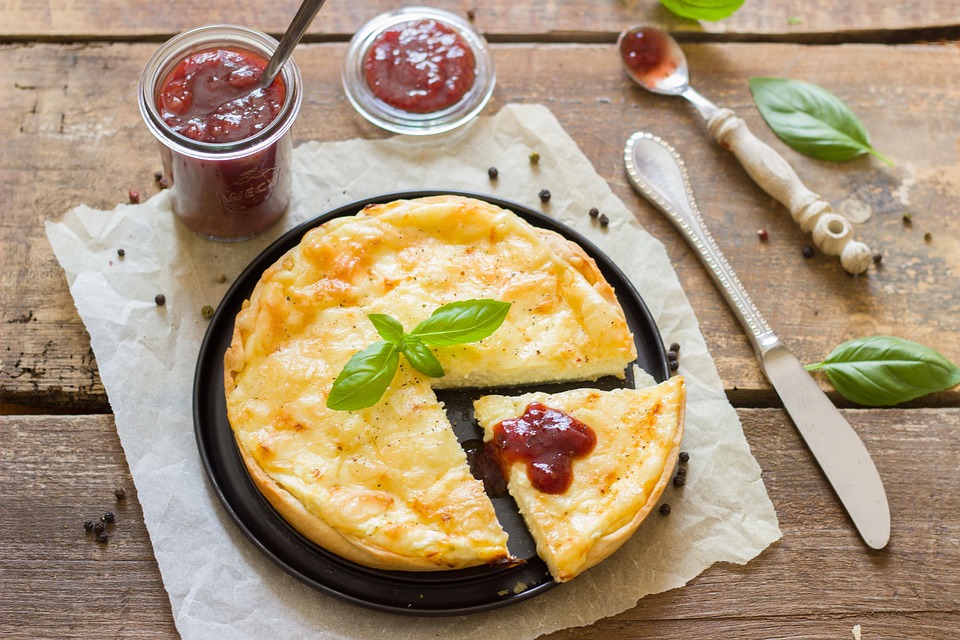
– **Aged Cheeses:** Such as cheddar, blue cheese, and Camembert.
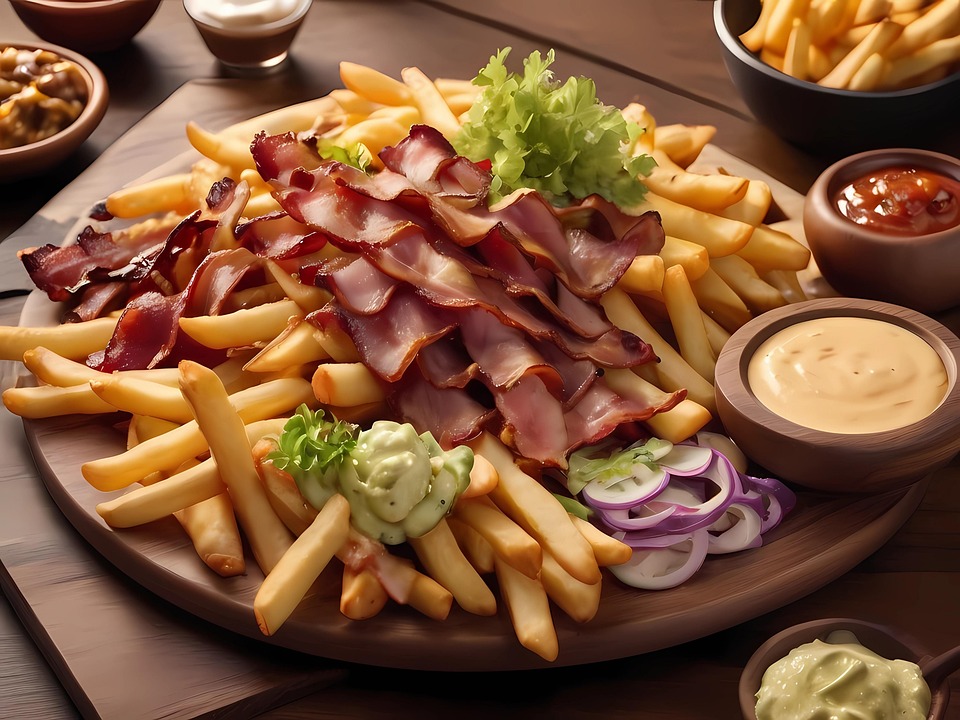
– **Cured and Processed Meats:** Including salami, pepperoni, and smoked fish.
– **Fermented Products:** Like sauerkraut, soy sauce, and some beers.
– **Overripe Fruits:** Bananas, avocados, and figs.
– **Certain Beverages:** Wines and draft beers.
Patients on MAOIs are advised to follow a low-tyramine diet to avoid these potentially life-threatening interactions.
### SSRIs and Grapefruit Juice
Grapefruit juice is known to interact with various medications, including SSRIs. The fruit contains compounds that inhibit the cytochrome P450 enzymes, particularly CYP3A4, which is involved in the metabolism of many drugs. This inhibition can lead to higher levels of the drug in the bloodstream, increasing the risk of side effects such as serotonin syndrome, a potentially serious condition resulting from excessive serotonin activity in the brain.
While not all SSRIs are affected equally, it is generally advisable to avoid grapefruit juice if you are taking medications like sertraline or fluoxetine.
### SNRIs and Alcohol
Alcohol can exacerbate the side effects of SNRIs, which may include drowsiness, dizziness, and impairment of motor skills. When combined with alcohol, the sedative effects of SNRIs can be intensified, leading to increased risk of accidents and injuries. Furthermore, alcohol can also worsen symptoms of depression and anxiety, counteracting the benefits of the medication.
Patients are generally advised to limit or avoid alcohol consumption while on SNRIs to maximize the therapeutic effects of their treatment.
### TCAs and High-Fat Meals
Tricyclic antidepressants can be affected by the consumption of high-fat meals, which may delay the absorption of the drug. This delay can lead to fluctuations in drug concentration levels, potentially reducing its effectiveness or increasing the risk of side effects.
To maintain consistent blood levels of TCAs, it is recommended to take these medications at the same time daily, preferably with a meal that is not high in fats.
### Atypical Antidepressants and Caffeine
Certain atypical antidepressants, such as bupropion, can have stimulating effects and may lead to increased anxiety or agitation when combined with caffeine. Excessive caffeine consumption can further elevate these symptoms, potentially leading to insomnia or jitteriness.
Patients taking atypical antidepressants should moderate their caffeine intake to avoid these interactions and ensure the best possible treatment outcomes.
### General Dietary Considerations
While specific food interactions vary depending on the class of antidepressant, there are general dietary considerations that all patients on these medications should keep in mind:
#### Consistent Meal Patterns:
Regular meal patterns help maintain stable blood sugar levels, which can positively influence mood stability. Skipping meals or erratic eating can lead to blood sugar fluctuations, exacerbating mood swings or depressive symptoms.
#### Nutrient-Dense Diet:
A diet rich in fruits, vegetables, whole grains, lean proteins, and healthy fats supports overall brain health and can enhance the effectiveness of antidepressant therapy. Nutrients such as omega-3 fatty acids, B vitamins, and magnesium are particularly beneficial for mental health.
#### Hydration:
Staying adequately hydrated is essential for optimal cognitive function and mood regulation. Dehydration can lead to fatigue, irritability, and difficulty concentrating, which can compound the symptoms of depression and anxiety.
### Conclusion
Understanding the potential food interactions with antidepressants is a critical aspect of managing your treatment effectively. By being aware of these interactions, you can make informed dietary choices that support your medication regimen and overall mental health. Always consult with your healthcare provider or a qualified dietitian before making significant changes to your diet, especially when on antidepressant medications. They can provide personalized guidance to help you navigate any potential interactions and ensure the best possible outcomes from your treatment.
#ChatGPT assisted in the creation of this article.










Post Comment