Top Diet Tips for Effective Stroke Prevention

Introduction
Stroke is a leading cause of disability and mortality worldwide, and its prevention is a critical public health goal. While several factors contribute to stroke risk, including genetics and age, lifestyle choices, particularly diet, play a significant role in stroke prevention. A balanced, nutritious diet can help manage blood pressure, reduce cholesterol levels, and support overall cardiovascular health, thereby reducing the risk of stroke. This article explores top dietary strategies for effective stroke prevention, emphasizing foods and nutrients that promote vascular health.
Understanding Stroke and Its Risk Factors
A stroke occurs when blood flow to a part of the brain is interrupted or reduced, depriving brain tissue of oxygen and nutrients. There are two primary types of strokes: ischemic, caused by a blockage in an artery, and hemorrhagic, caused by bleeding in or around the brain. Several risk factors increase the likelihood of experiencing a stroke, including hypertension, high cholesterol, diabetes, obesity, smoking, and a sedentary lifestyle. Diet is a modifiable risk factor and can significantly impact these conditions.
Prioritize Fruits and Vegetables
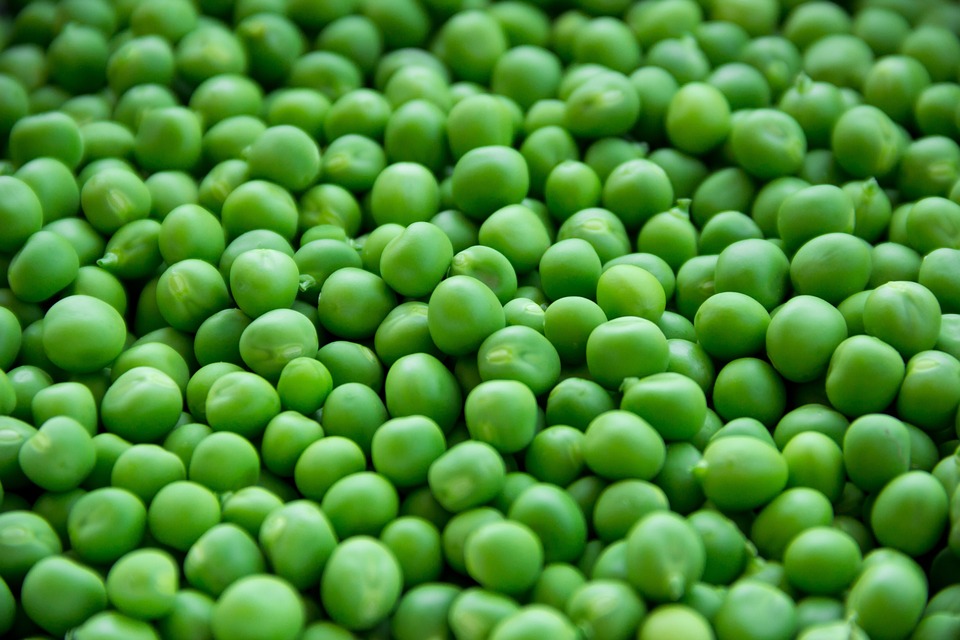
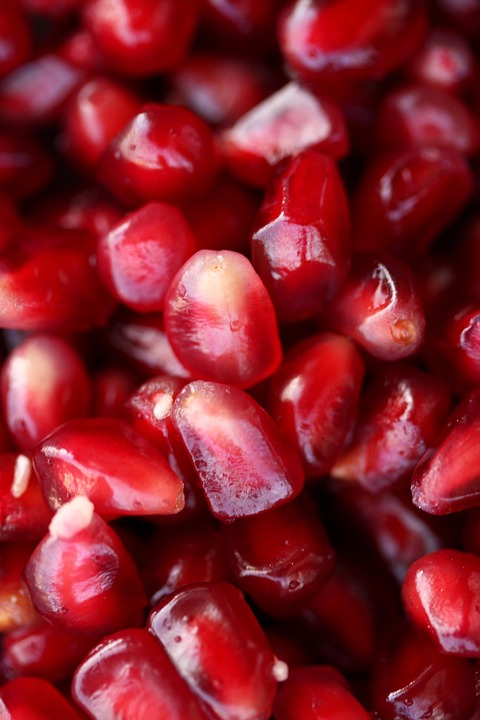
Fruits and vegetables are rich in essential vitamins, minerals, and antioxidants that support overall health. They are particularly beneficial in stroke prevention due to their high fiber content and ability to reduce inflammation and oxidative stress.
Focus on Variety and Color
Incorporating a wide range of colorful fruits and vegetables ensures an intake of diverse nutrients. Leafy greens like spinach and kale, berries such as blueberries and strawberries, and citrus fruits are particularly effective in lowering blood pressure and improving vascular health.
Benefits of Fiber
Dietary fiber, found abundantly in fruits and vegetables, helps lower cholesterol levels and maintain healthy blood pressure, two critical factors in stroke prevention. Aim for at least 25-30 grams of fiber daily to reap these benefits.
Embrace Whole Grains
Whole grains, unlike refined grains, contain the entire grain kernel, providing more nutrients and fiber. Consuming whole grains can improve cholesterol levels and reduce the risk of heart disease and stroke.
Whole Grains to Include
Incorporate grains such as brown rice, quinoa, oats, barley, and whole wheat into your diet. These grains are excellent sources of B vitamins, iron, magnesium, and selenium, all essential for cardiovascular health.
Impact on Blood Sugar
Whole grains have a lower glycemic index compared to refined grains, meaning they have a slower, steadier impact on blood sugar levels. This can help manage insulin levels and reduce the risk of developing diabetes, a significant stroke risk factor.
Healthy Fats Matter
Not all fats are created equal; while some increase stroke risk, others are beneficial and protective. Understanding the difference is crucial for effective stroke prevention.
Focus on Unsaturated Fats
Choose sources of monounsaturated and polyunsaturated fats, such as avocados, nuts, seeds, and olive oil. These fats can help lower bad cholesterol (LDL) levels and increase good cholesterol (HDL), reducing cardiovascular risk.
Limit Saturated and Trans Fats
Saturated fats, found in red meat and full-fat dairy products, and trans fats, commonly found in processed and fried foods, can increase cholesterol levels and should be limited in a stroke-preventive diet.
Reduce Sodium Intake
Excessive sodium intake is a significant risk factor for hypertension, a leading cause of stroke. Monitoring and reducing sodium consumption is a critical component of a stroke-prevention diet.
Choose Fresh Over Processed
Opt for fresh, whole foods over processed and packaged items, which often contain high levels of sodium. Cooking at home allows for better control over the amount of salt used.
Flavor with Herbs and Spices
Enhancing meals with herbs and spices instead of salt can add flavor while reducing sodium intake. Experiment with basil, oregano, garlic, lemon juice, and cumin to create delicious, heart-healthy dishes.
Moderate Alcohol Consumption
While some studies suggest that moderate alcohol consumption may have cardiovascular benefits, excessive drinking is a significant stroke risk factor. Understanding moderation is key.
Define Moderation
Moderation means up to one drink per day for women and up to two drinks per day for men. Exceeding these amounts can lead to increased blood pressure and stroke risk.
Choose Heart-Healthy Options
If you choose to drink, opt for heart-healthy options like red wine, which contains antioxidants like resveratrol that may support vascular health. Always drink responsibly and in moderation.
Incorporate Omega-3 Fatty Acids
Omega-3 fatty acids, particularly found in fatty fish, are known for their anti-inflammatory properties and ability to improve heart health. These benefits extend to stroke prevention.
Sources of Omega-3s
Include fatty fish such as salmon, mackerel, sardines, and trout in your diet at least twice a week. Plant-based sources, like flaxseeds, chia seeds, and walnuts, are also beneficial.
Benefits for Blood Vessels
Omega-3s help reduce triglyceride levels, lower blood pressure, and reduce the risk of arrhythmias, all of which contribute to a reduced risk of stroke.
Stay Hydrated
Proper hydration is essential for maintaining overall health and ensuring efficient blood circulation. Dehydration can lead to thicker blood, increasing the risk of clot formation.
Water as the Primary Choice
Aim to consume adequate amounts of water throughout the day. The amount needed can vary based on individual needs, but a general guideline is about eight 8-ounce glasses daily.
Supplement with Hydrating Foods
Incorporate hydrating foods such as cucumbers, watermelon, and oranges into your diet. These foods contribute to fluid intake and provide additional nutrients and antioxidants.
Conclusion
Diet plays a pivotal role in stroke prevention, offering a powerful tool for reducing risk factors associated with this serious health condition. By prioritizing fruits, vegetables, whole grains, healthy fats, and omega-3 fatty acids, while reducing sodium and moderating alcohol consumption, individuals can significantly improve their cardiovascular health and decrease their stroke risk. These dietary strategies, combined with regular physical activity and a healthy lifestyle, can lead to long-term benefits and a reduced likelihood of stroke. Remember, small, consistent changes in dietary habits can lead to significant health improvements over time. Always consult with a healthcare provider or nutritionist to create a personalized diet plan that aligns with individual health needs and goals.
#ChatGPT assisted in the creation of this article.










Post Comment