Top Foods to Avoid with Blood Thinners
Introduction
Blood thinners, also known as anticoagulants, are medications that prevent blood clots from forming. They are essential in treating and preventing conditions such as deep vein thrombosis, pulmonary embolism, and stroke. However, these medications require careful management, especially concerning diet, as certain foods can interfere with their efficacy. This article will explore the top foods to avoid or limit while taking blood thinners to ensure optimal treatment and prevent adverse effects.
Understanding Blood Thinners
Blood thinners work by reducing the blood’s ability to clot. There are two main types: anticoagulants like warfarin, which inhibit the synthesis of specific clotting factors, and antiplatelet drugs like aspirin, which prevent platelets from clumping together. Each type of blood thinner interacts differently with foods, but some common dietary considerations apply to both.
Why Food Interactions Matter
Foods can affect how blood thinners work in the body. Some foods may enhance the effects of the medication, increasing the risk of bleeding, while others may diminish its effectiveness, raising the risk of clot formation. It’s crucial for individuals on blood thinners to maintain a consistent diet and be mindful of foods that could interfere with their medication.
Vitamin K-Rich Foods
Vitamin K plays a vital role in blood clotting. While it doesn’t directly affect all blood thinners, it has a significant impact on warfarin. Consuming large or inconsistent amounts of vitamin K can reduce warfarin’s effectiveness, leading to clot formation. Foods high in vitamin K include:
- Leafy Greens: Spinach, kale, and collard greens are particularly high in vitamin K. It’s essential to maintain a consistent intake rather than avoid them entirely.
- Cruciferous Vegetables: Broccoli, Brussels sprouts, and cabbage also contain significant amounts of vitamin K.
- Herbs: Parsley and cilantro are often used in cooking and can contribute to vitamin K intake.
Alcohol
Alcohol can interfere with the metabolism of blood thinners, particularly warfarin. It can enhance the anticoagulant effect, increasing the risk of bleeding. It’s advisable to limit alcohol consumption and discuss safe levels with a healthcare provider.
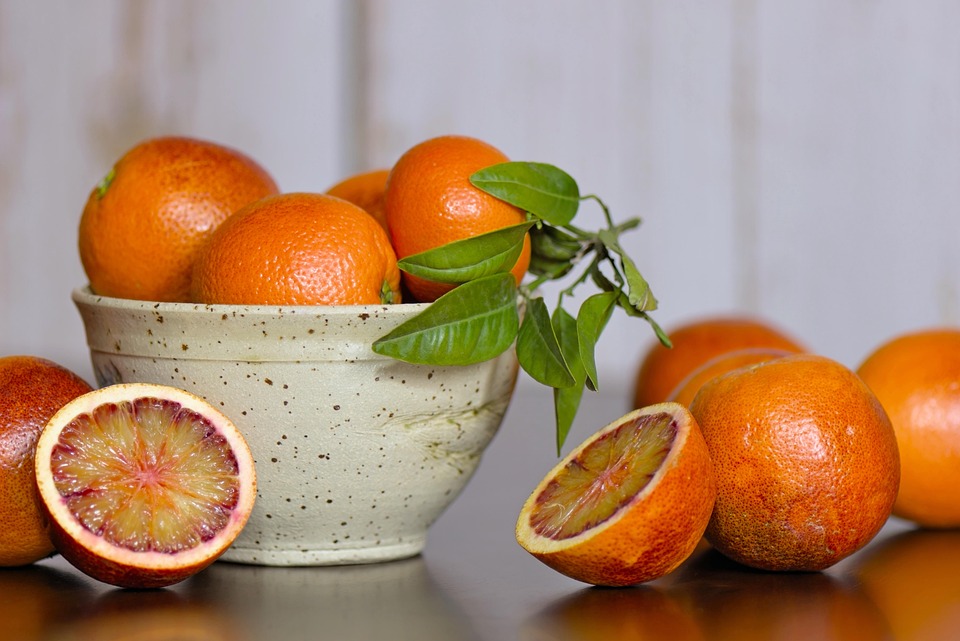
Grapefruit and Grapefruit Juice
Grapefruit and its juice can interfere with the metabolism of several medications, including some blood thinners like warfarin and certain direct oral anticoagulants (DOACs). This interaction can lead to increased blood levels of the medication, heightening the risk of bleeding.
Cranberry Juice
There is some evidence suggesting that cranberry juice can enhance the effects of warfarin, potentially leading to an increased risk of bleeding. Though data is limited, it’s wise to consume cranberry products in moderation and consult with a healthcare provider.
Green Tea
Green tea contains vitamin K, which can interfere with warfarin’s effectiveness. While moderate consumption might not be problematic, large quantities could pose a risk. Monitoring intake and maintaining consistency is key.
Garlic
Garlic is known for its heart health benefits, but in large amounts, it can enhance the effects of blood thinners, increasing bleeding risk. Garlic supplements, in particular, should be approached with caution.
Ginger
Similar to garlic, ginger has blood-thinning properties. While culinary amounts are generally safe, high doses from supplements could pose a risk. It’s essential to discuss ginger supplement use with a healthcare provider.
Turmeric
Turmeric contains curcumin, which has natural anticoagulant effects. While beneficial in many ways, excessive turmeric intake can amplify the effects of blood thinners, leading to bleeding complications.
Fatty Fish and Omega-3 Supplements
Fatty fish like salmon and mackerel, as well as omega-3 supplements, have mild blood-thinning properties. While these are heart-healthy foods, large quantities could enhance the effects of prescribed blood thinners. Moderation and consistent intake are advisable.
Managing Diet on Blood Thinners
Managing diet while on blood thinners involves consistency and moderation. Here are some tips:
- Consult with Healthcare Providers: Always discuss dietary changes with a healthcare provider or a registered dietitian familiar with your medical history and medication regimen.
- Maintain a Balanced Diet: Aim for a diet that includes a variety of foods while keeping vitamin K intake consistent.
- Read Labels: Be mindful of supplements and fortified foods that may contain vitamin K or other ingredients that could interact with blood thinners.
- Monitor Effects: Regular blood tests, such as INR for those on warfarin, can help monitor the medication’s impact and guide dietary adjustments.
Conclusion
Managing food interactions with blood thinners is crucial for ensuring the medication’s efficacy and preventing complications. While it’s not necessary to avoid all potentially interacting foods entirely, awareness and consistency are key. By understanding which foods can affect blood thinners and working closely with healthcare providers, individuals can maintain their health and minimize risks.
#ChatGPT assisted in the creation of this article.












Post Comment