Top Herbal Supplement Drug Interactions You Must Know
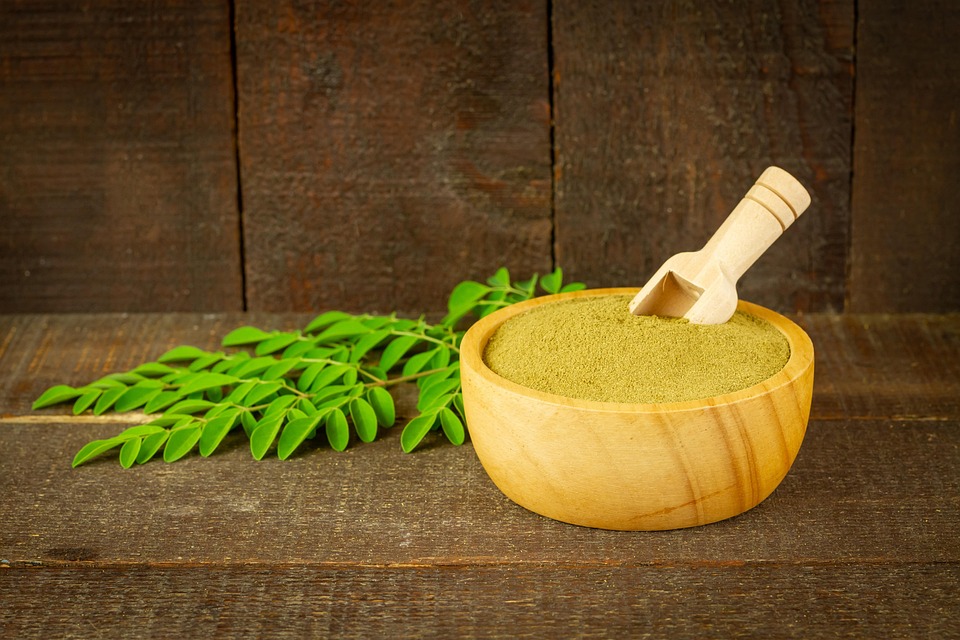
In the quest for better health, many people turn to herbal supplements as natural alternatives or complements to pharmaceutical drugs. While these supplements can offer numerous health benefits, they also carry the potential for interactions with prescription medications. Understanding these interactions is crucial to prevent adverse effects and ensure both efficacy and safety. In this article, we explore some of the most significant herbal supplement drug interactions that you should be aware of.
Understanding Herbal Supplement and Drug Interactions
Herbal supplements are derived from plant sources and have been used for centuries in traditional medicine. However, their interaction with conventional medications can lead to either an enhancement or a reduction of the drug’s effects, potentially causing severe health issues. The interactions typically occur through several mechanisms, including changes in drug absorption, metabolism, and elimination.
Common Herbal Supplement Drug Interactions
1. St. John’s Wort and Antidepressants
St. John’s Wort is widely used for its antidepressant effects, often employed as a natural treatment for mild to moderate depression. However, it can interact dangerously with prescription antidepressants, especially selective serotonin reuptake inhibitors (SSRIs) and serotonin-norepinephrine reuptake inhibitors (SNRIs). The interaction may lead to serotonin syndrome, a potentially life-threatening condition characterized by confusion, increased heart rate, and high blood pressure.
2. Ginkgo Biloba and Anticoagulants/Antiplatelets
Ginkgo Biloba is popular for improving cognitive function and circulation. However, it can increase the risk of bleeding when taken in conjunction with anticoagulants like warfarin or antiplatelet drugs like aspirin. This is because Ginkgo Biloba can inhibit platelet aggregation, thereby enhancing the effects of blood-thinning medications.
3. Garlic Supplements and Antihypertensive Drugs
Garlic is often used to lower cholesterol and blood pressure. However, when combined with antihypertensive medications, it can lead to excessively low blood pressure (hypotension). Patients taking medications like ACE inhibitors, beta-blockers, or diuretics should consult their healthcare provider before using garlic supplements.
4. Echinacea and Immunosuppressants
Echinacea is commonly used to boost the immune system and prevent colds. However, for individuals taking immunosuppressants, such as those prescribed after organ transplants, Echinacea can reduce the effectiveness of these drugs, increasing the risk of organ rejection.
5. Kava and CNS Depressants
Kava is known for its anxiolytic properties and is often used to relieve anxiety and stress. However, when taken alongside central nervous system (CNS) depressants, such as benzodiazepines or alcohol, Kava can enhance sedation and impair motor skills, leading to dangerous levels of CNS depression.
6. Ginseng and Warfarin
Ginseng is a popular supplement for boosting energy and endurance. However, it can interact with warfarin, a common anticoagulant. Ginseng has been shown to decrease the effectiveness of warfarin, potentially leading to an increased risk of clot formation.
Mechanisms Behind Herbal and Drug Interactions
Herbal supplement and drug interactions can occur through various mechanisms:
Metabolic Interactions
Many interactions occur due to the influence of herbal supplements on the cytochrome P450 enzyme system in the liver, responsible for drug metabolism. Some herbs can induce these enzymes, leading to reduced drug levels and efficacy, while others may inhibit enzyme activity, increasing drug levels and potential toxicity.
Pharmacodynamic Interactions
These interactions occur when the effects of a herbal supplement and a drug on the body are additive or antagonistic. For example, both St. John’s Wort and SSRIs increase serotonin levels, leading to serotonin syndrome.
Absorption Interactions
Herbal supplements can alter the gastrointestinal environment, affecting the absorption of drugs. For example, fiber-rich supplements may bind to certain medications, reducing their absorption and effectiveness.
Precautions and Recommendations
To minimize the risk of adverse interactions between herbal supplements and medications, consider the following precautions:
Consult Healthcare Professionals
Always consult with a healthcare provider before starting any new herbal supplement, especially if you are on prescription medications. They can provide guidance on potential interactions and recommend safe alternatives if necessary.
Inform About All Supplements
When visiting your healthcare provider, list all supplements you are taking, including vitamins, minerals, and herbal products. This information is crucial for assessing potential interactions.
Monitor for Side Effects
Be vigilant about any unusual side effects or changes in your health when combining herbal supplements with medications. Report these to your healthcare provider immediately.
Research and Stay Informed
Stay informed about new research on herbal supplement interactions. Scientific understanding of these interactions is continually evolving, and staying updated can help you make informed decisions about your health.
Conclusion
Herbal supplements offer numerous health benefits, but they are not without risks, particularly when interacting with prescription medications. Understanding these interactions is essential for maintaining health and preventing adverse effects. By consulting healthcare professionals, staying informed, and monitoring for side effects, you can safely incorporate herbal supplements into your health regimen while minimizing the risk of harmful interactions.
Remember, when it comes to your health, taking a cautious and informed approach is always the best strategy.
#ChatGPT assisted in the creation of this article.












Post Comment