Top MAOI Diet Tips: Avoid These Foods

Monoamine oxidase inhibitors (MAOIs) are a class of medications used primarily to treat depression. They work by inhibiting the enzyme monoamine oxidase, which breaks down neurotransmitters such as serotonin, norepinephrine, and dopamine. While effective, MAOIs come with dietary restrictions due to the risk of hypertensive crisis, a serious condition that can occur when certain foods are consumed. This article will explore the top MAOI diet tips and outline the foods to avoid to minimize risks and optimize treatment outcomes.
Understanding MAOIs and Their Function
MAOIs are often prescribed when other antidepressants have not been effective. They are unique in their approach, as they prevent the breakdown of monoamines, thus increasing their levels in the brain and improving mood stability. However, this mechanism also affects the metabolism of tyramine, a naturally occurring amino acid that can lead to dangerous increases in blood pressure if not properly regulated.
The Importance of a MAOI Diet
Diet plays a crucial role when taking MAOIs because certain foods contain high levels of tyramine. When MAOIs inhibit the enzyme that breaks down tyramine, consuming these foods can lead to an excessive accumulation of tyramine in the body. This can trigger a hypertensive crisis, characterized by a sudden and severe increase in blood pressure, which can be life-threatening if not addressed promptly. Therefore, adhering to dietary guidelines is essential for anyone on MAOI therapy.
Foods to Avoid on a MAOI Diet
To prevent adverse reactions, individuals taking MAOIs should steer clear of foods high in tyramine. Below is a list of common foods and beverages to avoid:
Aged Cheeses
Aged cheeses, such as cheddar, blue cheese, and Swiss, are high in tyramine. The aging process increases tyramine levels, making these cheeses a significant risk for those on MAOIs. Opt for fresh cheese varieties like cream cheese or ricotta instead.
Processed Meats
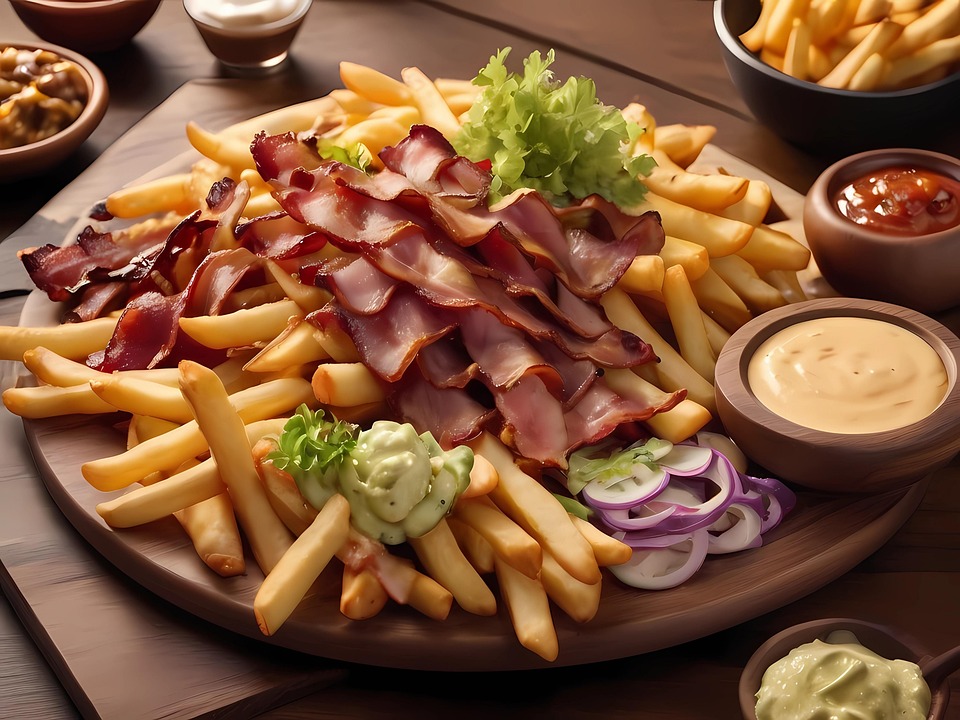
Processed meats, including salami, pepperoni, and certain sausages, contain high levels of tyramine due to the curing and fermenting processes. These meats should be avoided, and fresh, unprocessed meat should be consumed instead.
Fermented Foods
Fermented foods such as sauerkraut, kimchi, and pickles are also high in tyramine. Although these foods are generally considered healthy, they pose a risk for individuals on MAOIs and should be consumed with caution or avoided altogether.
Soy Products
Soy sauce, tofu, and miso are staples in many diets, but they can contain significant amounts of tyramine. Those taking MAOIs should avoid these products or seek low-tyramine alternatives.
Alcoholic Beverages
Particularly problematic are tap beers and red wine, which can contain high levels of tyramine. While moderate consumption of some alcoholic beverages may be permissible, it is best to consult a healthcare professional for guidance.
Overripe or Spoiled Foods
Foods that are overripe or have begun to spoil can have increased tyramine levels. It is essential to consume fresh produce and avoid any food that shows signs of spoilage to minimize the risk.
Additional Dietary Considerations
Besides avoiding high-tyramine foods, individuals on MAOIs should also consider other dietary factors that can impact their health and the effectiveness of their medication:
Moderate Caffeine Intake
Caffeine can increase blood pressure and should be consumed in moderation. While it does not contain tyramine, it can exacerbate the risk of hypertensive crisis when combined with MAOIs.
Regular Meal Patterns
Maintaining regular meal patterns helps stabilize blood sugar levels and can prevent sudden spikes in blood pressure. Skipping meals or indulging in large, infrequent meals can be detrimental to overall health.
Consulting with Healthcare Professionals
Individuals prescribed MAOIs should maintain open communication with their healthcare providers. This ensures that any dietary changes are safe and appropriate. Regular monitoring and adjustments to the diet may be necessary as treatment progresses.
Conclusion
MAOIs are powerful medications that require careful dietary management to ensure safety and efficacy. By avoiding foods high in tyramine and adhering to prescribed dietary guidelines, individuals on MAOI therapy can significantly reduce the risk of hypertensive crisis and other complications. Consultation with healthcare professionals is key to developing a personalized diet plan that supports mental health treatment while minimizing potential risks. Through informed choices and proactive management, those taking MAOIs can lead healthy and balanced lives.
#ChatGPT assisted in the creation of this article.











Post Comment