Top Medication and Diet Interactions You Must Know

Introduction
The interaction between medications and diet is a critical aspect of healthcare that is often overlooked. While medications are prescribed to manage and treat various health conditions, their effectiveness can be significantly influenced by the foods and beverages consumed. Understanding these interactions is essential for maximizing the benefits of medication and minimizing potential adverse effects. This article explores some of the most important medication and diet interactions that everyone should be aware of.
Grapefruit Juice and Statins
Statins are a class of drugs commonly prescribed to lower cholesterol levels in the blood. However, consuming grapefruit juice while taking statins can lead to dangerous interactions. Grapefruit juice contains compounds that inhibit the enzyme CYP3A4, which is responsible for breaking down statins in the digestive system. This inhibition can cause an increase in the concentration of the drug in the bloodstream, potentially leading to muscle damage, liver damage, or kidney failure. To avoid these risks, it’s advisable to avoid grapefruit and its juice while on statin therapy.
Vitamin K and Warfarin
Warfarin is an anticoagulant medication used to prevent blood clots. It works by inhibiting the action of vitamin K, which is vital for blood clotting. Consuming foods high in vitamin K, such as leafy greens (e.g., spinach, kale, and broccoli), can counteract the effects of warfarin, making it less effective. Patients on warfarin need to maintain a consistent intake of vitamin K to ensure stable drug activity. Sudden changes in vitamin K consumption can lead to either increased risk of bleeding or clotting.
Dairy Products and Antibiotics
Some antibiotics, particularly tetracyclines and fluoroquinolones, interact negatively with dairy products. Calcium in dairy can bind to these antibiotics in the stomach and intestine, forming an insoluble complex that reduces the absorption and effectiveness of the medication. To avoid this interaction, it’s recommended to take these antibiotics at least one to two hours before or after consuming dairy products.
Alcohol and Various Medications
Alcohol can interact with a wide range of medications, leading to increased side effects or reduced effectiveness. For instance, when mixed with benzodiazepines or opioids, alcohol can enhance the sedative effects, increasing the risk of respiratory depression and overdose. Additionally, alcohol can interfere with the metabolism of medications like acetaminophen, increasing the risk of liver damage. Patients should consult their healthcare provider about alcohol consumption while on medication.
Foods High in Tyramine and MAO Inhibitors
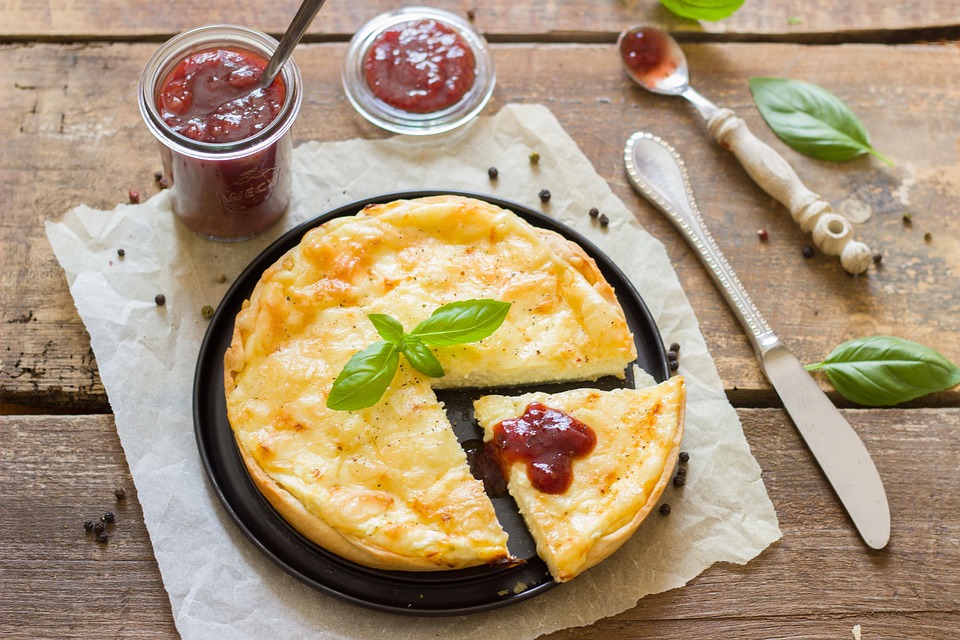
Monoamine oxidase inhibitors (MAOIs) are a class of antidepressants that can interact dangerously with foods high in tyramine, such as aged cheeses, cured meats, and fermented products. Tyramine is a naturally occurring compound that can cause a hypertensive crisis when consumed in large amounts by individuals taking MAOIs. Patients on MAOIs should be advised to adhere to a low-tyramine diet to avoid these potentially life-threatening interactions.
Licorice and Digoxin
Licorice, particularly in large amounts, can have adverse interactions with digoxin, a medication used to treat heart failure and irregular heartbeats. Licorice contains glycyrrhizin, which can lead to increased sodium retention and potassium loss. This electrolyte imbalance can enhance the effects of digoxin, increasing the risk of toxicity and associated symptoms such as nausea, dizziness, and cardiac disturbances. Patients taking digoxin should limit their intake of licorice.
Bran and Digoxin
Fiber-rich foods, such as bran, can interfere with the absorption of digoxin. Fiber can bind to digoxin in the gastrointestinal tract, reducing its absorption and effectiveness. Patients on digoxin should try to separate the intake of high-fiber foods from their medication by a couple of hours to ensure optimal absorption and therapeutic effect.
Caffeine and Stimulant Medications
Caffeine is a common stimulant found in coffee, tea, chocolate, and some soft drinks. When combined with other stimulant medications, such as those used to treat ADHD (e.g., methylphenidate) or certain asthma medications, caffeine can exacerbate side effects like increased heart rate, anxiety, and nervousness. Patients on stimulant medications should monitor their caffeine intake to prevent these interactions.
Conclusion
Medication and diet interactions are a complex yet crucial aspect of medical treatment. Being aware of these interactions can help patients and healthcare providers make informed decisions that enhance the effectiveness of medications and prevent adverse effects. It’s important for patients to have open conversations with their healthcare providers about their diet and lifestyle to optimize their medication regimens. By understanding and managing these interactions, individuals can achieve better health outcomes and improve their overall well-being.
#ChatGPT assisted in the creation of this article.









Post Comment