Ultimate Crohn’s Disease Diet Guide for Symptom Relief
Introduction
Crohn’s disease is a chronic inflammatory bowel disease (IBD) that affects millions of people worldwide. It can cause a range of symptoms, including abdominal pain, diarrhea, fatigue, and malnutrition. While there is no cure for Crohn’s disease, dietary modifications can play a crucial role in managing symptoms and improving quality of life. This guide explores the ultimate diet strategies for alleviating symptoms and promoting gut health for those living with Crohn’s disease.
Understanding Crohn’s Disease and Its Dietary Impact
Crohn’s disease causes inflammation in different parts of the digestive tract, leading to symptoms that can severely impact daily life. The condition can affect nutrient absorption, making it essential to focus on a diet that meets nutritional needs while minimizing symptom flare-ups. Diet alone cannot cure Crohn’s, but it is a powerful tool for managing symptoms and maintaining remission.
Identifying Trigger Foods
One of the first steps in managing Crohn’s disease through diet is identifying and avoiding trigger foods that can exacerbate symptoms. These can vary from person to person, but common culprits include:
– Dairy products: Many people with Crohn’s are lactose intolerant, making dairy a potential trigger.
– High-fat foods: Greasy and fried foods can be difficult to digest and may worsen symptoms.
– High-fiber foods: Raw fruits, vegetables, nuts, and seeds can be irritating during a flare-up.
– Spicy foods: These can aggravate the digestive tract and increase discomfort.
– Caffeine and alcohol: Both can stimulate the intestines and exacerbate symptoms.
Keeping a food diary to track what you eat and how it affects your symptoms can be helpful in identifying your specific trigger foods.
Recommended Foods for Crohn’s Disease
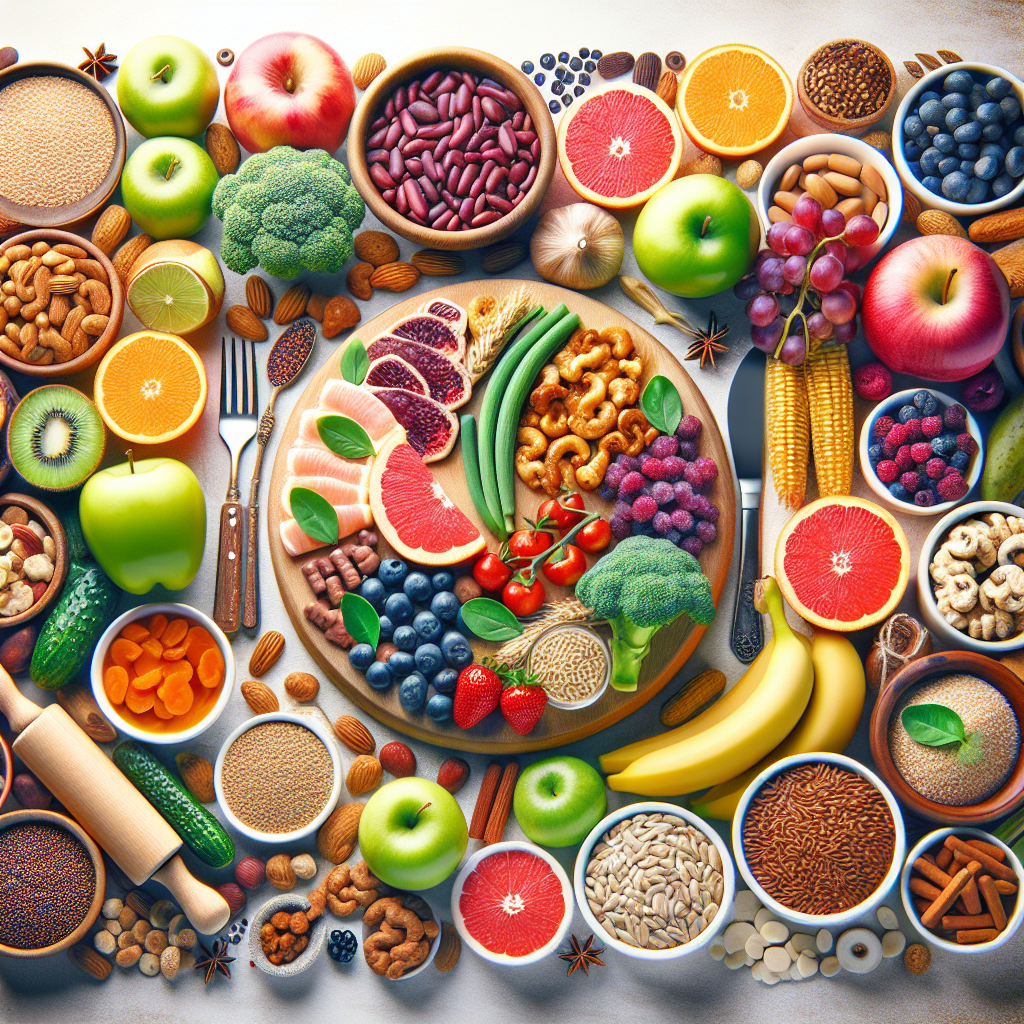
While certain foods may trigger symptoms, others can help manage them. Incorporating these foods into your diet can promote gut health and alleviate discomfort:
Lean Proteins
– Chicken, turkey, and fish are excellent sources of lean protein that are easy to digest and less likely to cause inflammation.
– Eggs are also a good option, offering high-quality protein and essential nutrients.
Low-Fiber Fruits and Vegetables
– Bananas, avocados, and cooked carrots are gentle on the digestive system and provide essential vitamins and minerals.
– Well-cooked vegetables can be easier to digest than raw ones, so consider steaming or roasting them.
Refined Grains
– White rice, pasta, and bread are often better tolerated than whole grains during a flare-up due to their lower fiber content.
– Instant oatmeal and grits can also be soothing and easy to digest.
Healthy Fats
– Olive oil and avocado oil are good sources of healthy fats that can help reduce inflammation.
– Omega-3 fatty acids, found in fatty fish like salmon and flaxseeds, have anti-inflammatory properties.
Hydration
– Staying hydrated is crucial, especially if experiencing diarrhea. Aim for at least eight cups of fluid a day, prioritizing water and herbal teas.
Meal Planning and Preparation
Planning meals ahead of time can help ensure you have access to foods that support your health. Here are some tips for effective meal planning and preparation:
Create a Weekly Meal Plan
– Plan meals around the foods that you tolerate well and include a variety of nutrients.
– Prepare larger batches of meals that can be refrigerated or frozen for convenience.
Focus on Balanced Meals
– Aim for a balance of protein, carbohydrates, and healthy fats in each meal to maintain energy levels and support overall health.
– Include a source of easily digestible protein, a serving of low-fiber carbohydrates, and a small amount of healthy fat.
Use Gentle Cooking Methods
– Opt for steaming, baking, grilling, or poaching instead of frying to make foods easier to digest.
– Avoid adding too many spices or irritants like garlic and onions.
Special Considerations for Flare-Ups
During a Crohn’s disease flare-up, the focus should be on minimizing irritation and providing the body with the nutrients it needs to heal. Consider these strategies:
Opt for a Low-Residue Diet
– A low-residue diet reduces the amount of undigested material passing through the gut, decreasing irritation. This involves limiting fiber intake and avoiding nuts, seeds, and raw fruits and vegetables.
Consider Liquid Meals
– Liquid meals or meal replacement drinks can be easier to digest and ensure adequate nutrition during a flare-up. Consult with a healthcare provider for recommendations.
Small, Frequent Meals
– Eating smaller, more frequent meals can reduce the burden on the digestive system and help prevent discomfort.
Working with Healthcare Professionals
Dietary management of Crohn’s disease should be personalized, and working with healthcare professionals can provide invaluable support. Consider consulting with:
A Registered Dietitian
– A dietitian can help create a personalized eating plan that addresses your nutritional needs and symptom triggers.
Gastroenterologist
– Regular check-ups with a gastroenterologist can help monitor disease progression and adjust treatment plans as needed.
Innovative Dietary Approaches
In addition to traditional dietary recommendations, some innovative approaches may offer additional symptom relief:
Elemental Diets
– Elemental diets involve consuming easily digestible formulas that provide all essential nutrients. They can be beneficial during severe flare-ups or as a supplement.
Low-FODMAP Diet
– The low-FODMAP diet, which limits fermentable carbohydrates, has shown promise in reducing gastrointestinal symptoms in some individuals with Crohn’s disease.
Probiotics and Prebiotics
– Probiotics and prebiotics can support gut health by promoting a healthy balance of bacteria. Discuss supplementation with a healthcare provider.
Conclusion
Managing Crohn’s disease through diet requires a personalized approach that identifies trigger foods and incorporates nourishing, easily digestible options. While this guide offers a foundation for dietary management, it’s essential to work with healthcare professionals to tailor strategies to your individual needs. By focusing on foods that promote gut health and symptom relief, individuals with Crohn’s disease can improve their quality of life and achieve better disease management.
#ChatGPT assisted in the creation of this article.











Post Comment